
A10 were contracted to curate Marie’s showcase at Yacht Club de Monaco, as well as sourcing a Digital canvas Partner.
Photographer
Marie Jordan was born in Dublin but has spread her wings far and wide throughout her life. She has travelled the world for many years with her camera in her hand capturing very special scenes and moments. She is most at home in nature and has an eye for detail that captures moments and perspectives that resonate with all who interact with her work. The striking simplicity of Marie’s work makes the viewer pause and reflect on the depth of the subject.
Marie’s practice explores the magic of nature, natural cultures and habitats and to capture the subject in its most naked form and deliver it with ease, grace and serenity to the viewer. Marie has a true love of nature and the simplicity of unsophisticated natural beauty and her passion radiates from her work.
Marie’s images capture the imagination, beauty and the clarity of her subject wrapped in emotion, gracefulness and serenity in a unique way which has come to be her signature. As a viewer you are immediately captured by the beauty of her images and naturally compelled to look deeper behind the veneer with curiosity peaking with the thought of what happened next.
All proceeds from the sale of works are going to the Eddie Jordan Foundation.
The Condition of Presence
Monaco Grand Prix week is defined by speed. Movement is engineered, measured and refined to its limits. Attention is directed outward. This exhibition by Marie Jordan focuses on something altogether different: the body in ritual, the face in stillness, the act of witnessing. It calls for a moment of pause and reflection amid this velocity. It asks us to be present and engage.
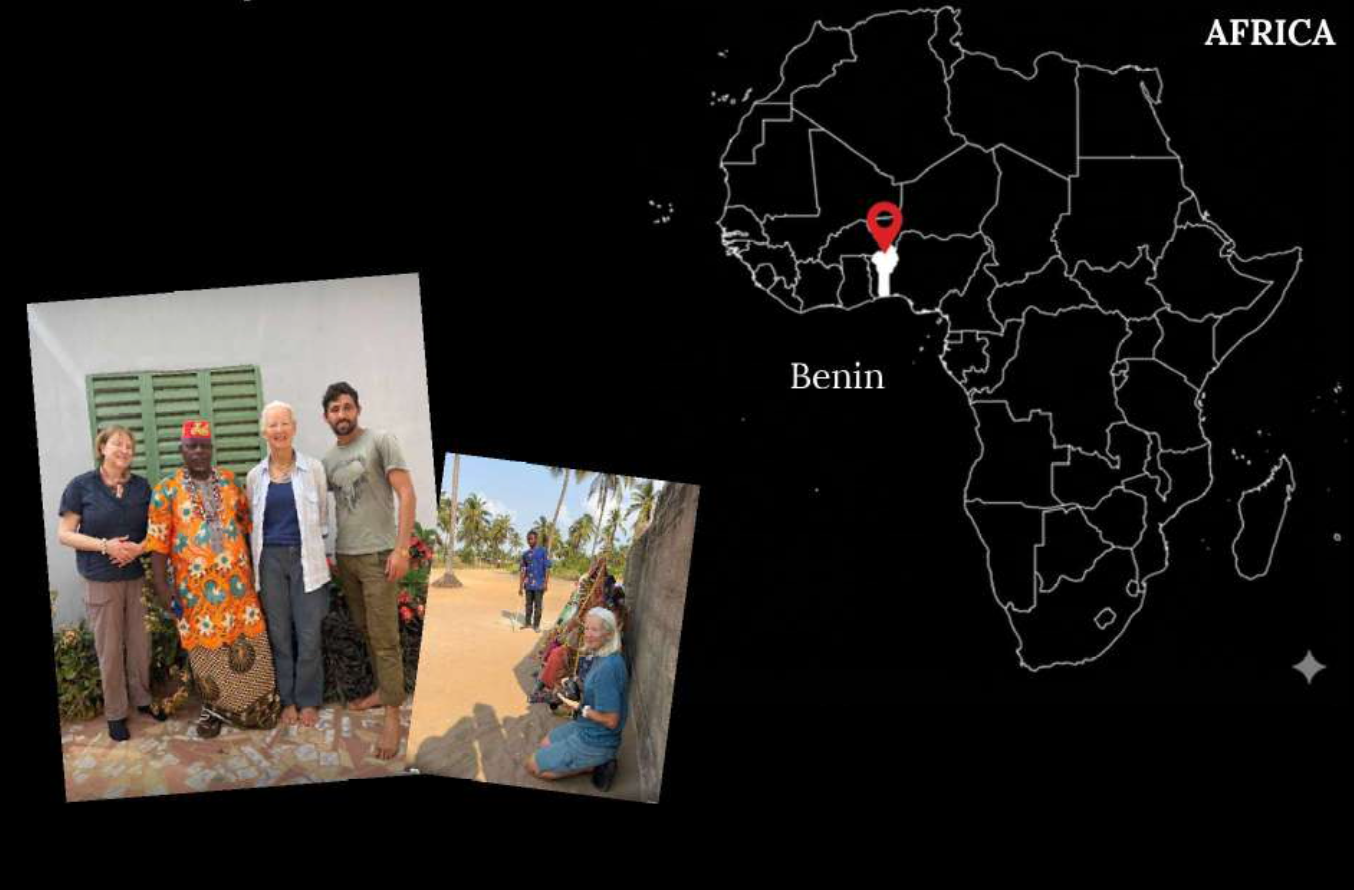
The Condition of Presence is a body of work made in the West African nation of Benin. It moves between the intimate and the ceremonial, the quiet and the charged, the fixed and the fleeting. In the close portraits, the face is isolated against darkness. Context is removed. What remains is surface and structure: the texture of skin, the weight of age, the bold deliberate markings graphic in their clarity. The subjects do not perform for the camera but seem caught in a performative act. They demand attention. Their presence is captivating.
Beyond the portrait, the work opens into the landscape and the ritual. Ceremonial figures — among them the Egungun, whose layered cloth and carved masks hold generations of spiritual meaning — move through village squares and stand before ochre walls. Riders charge across dusty ground, their horses adorned with colour and ceremony. A lone sail crosses still water. A man sits, thinking, in the blue light of a doorway. A child holds his ground.
Each image is precise. Each moment is held. What connects them is presence: the quality of being fully in a body, in a moment, in a place. The works rely on precision and control. The longer one looks, the more each image shifts — not through movement, but through perception.
Location: Yacht Club de Monaco
When: Monaco Grand Prix Week, 2026
Artworks.
-
![]()
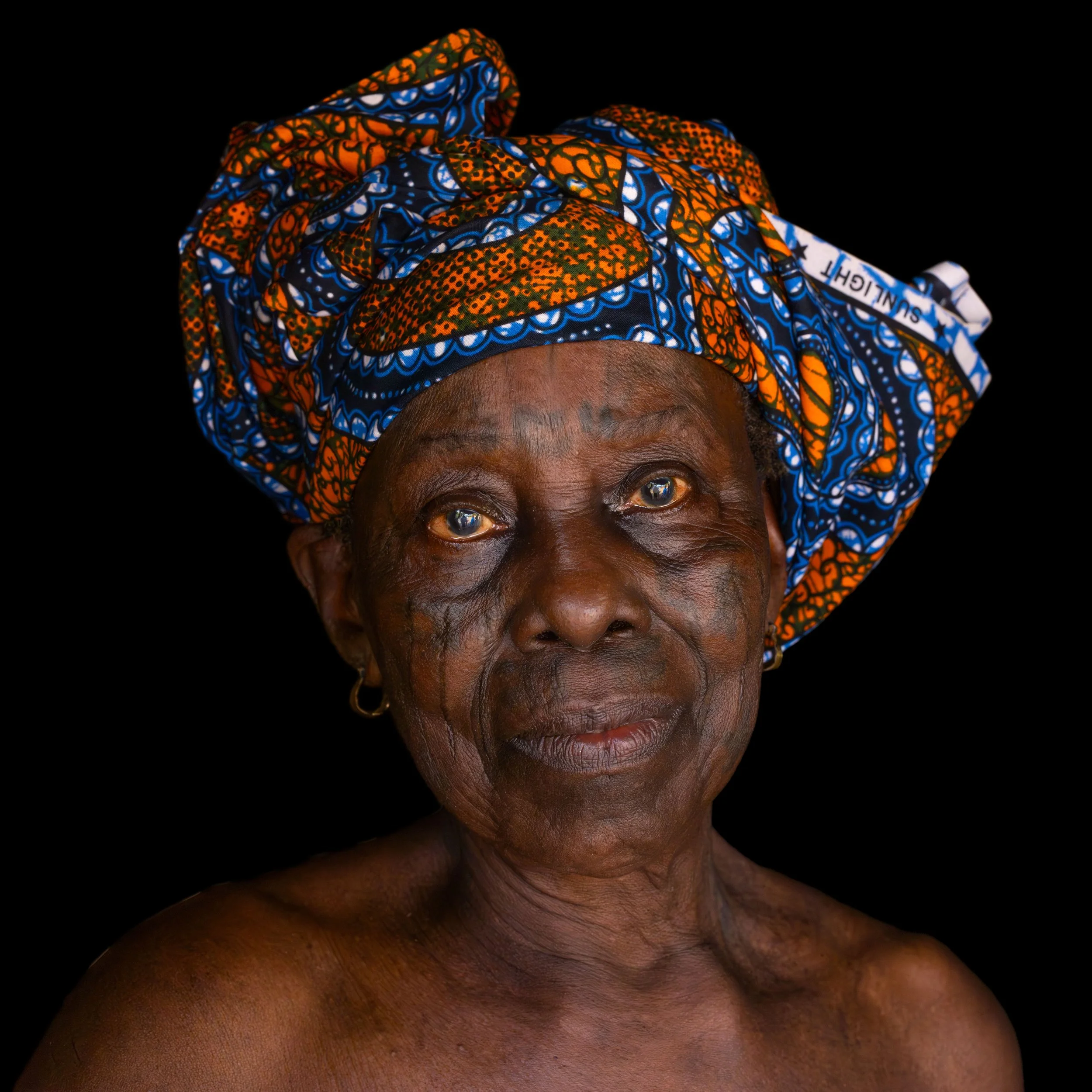
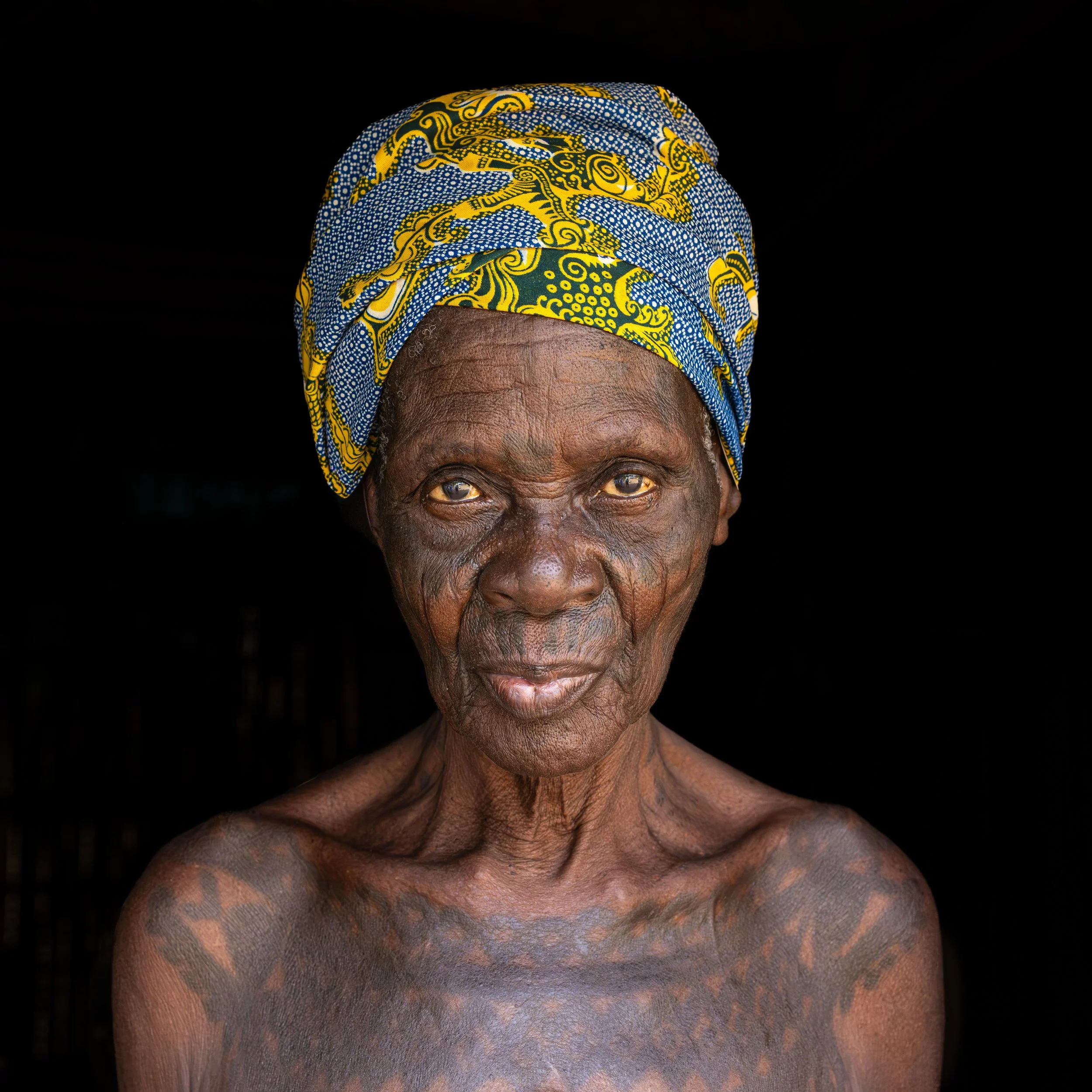
Marked
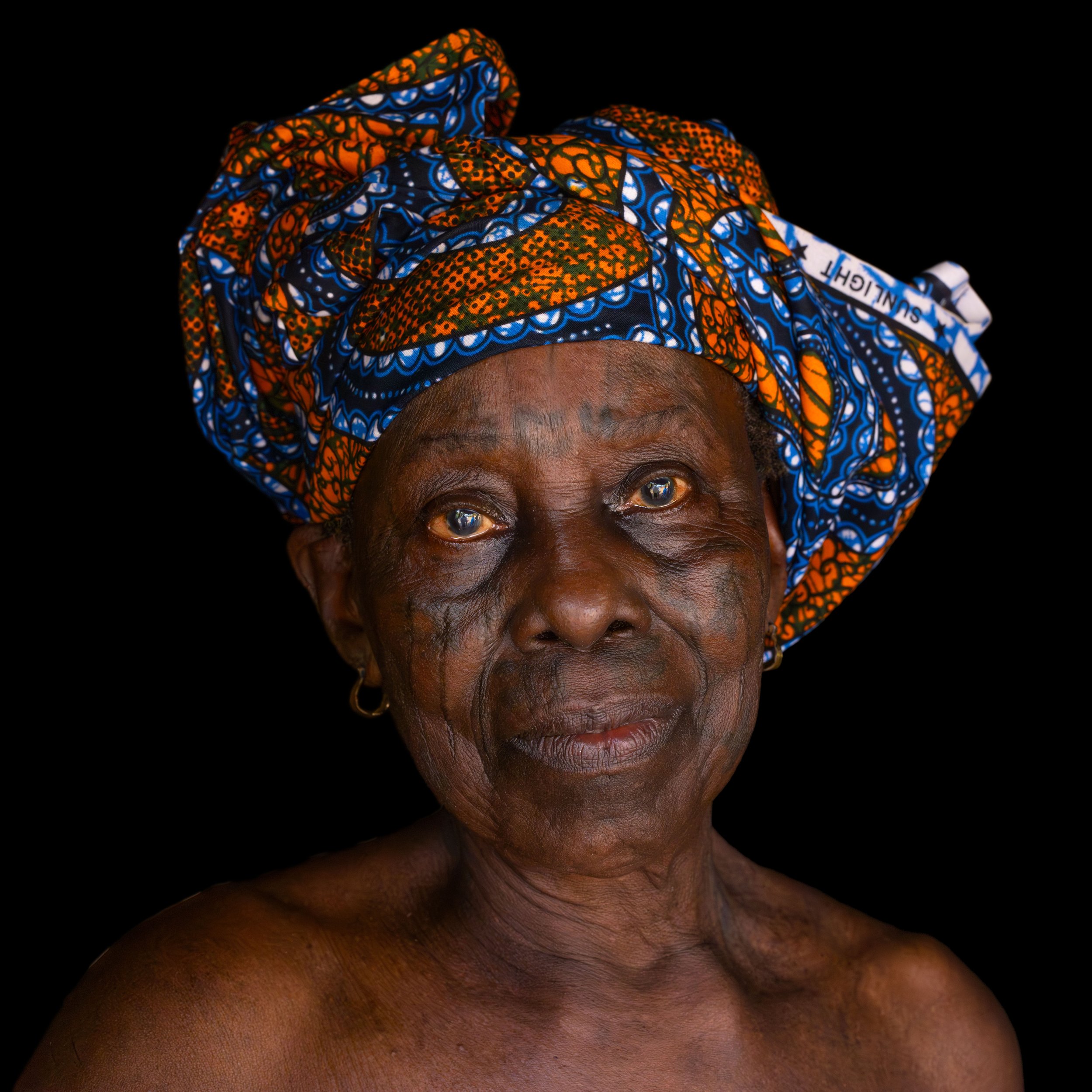
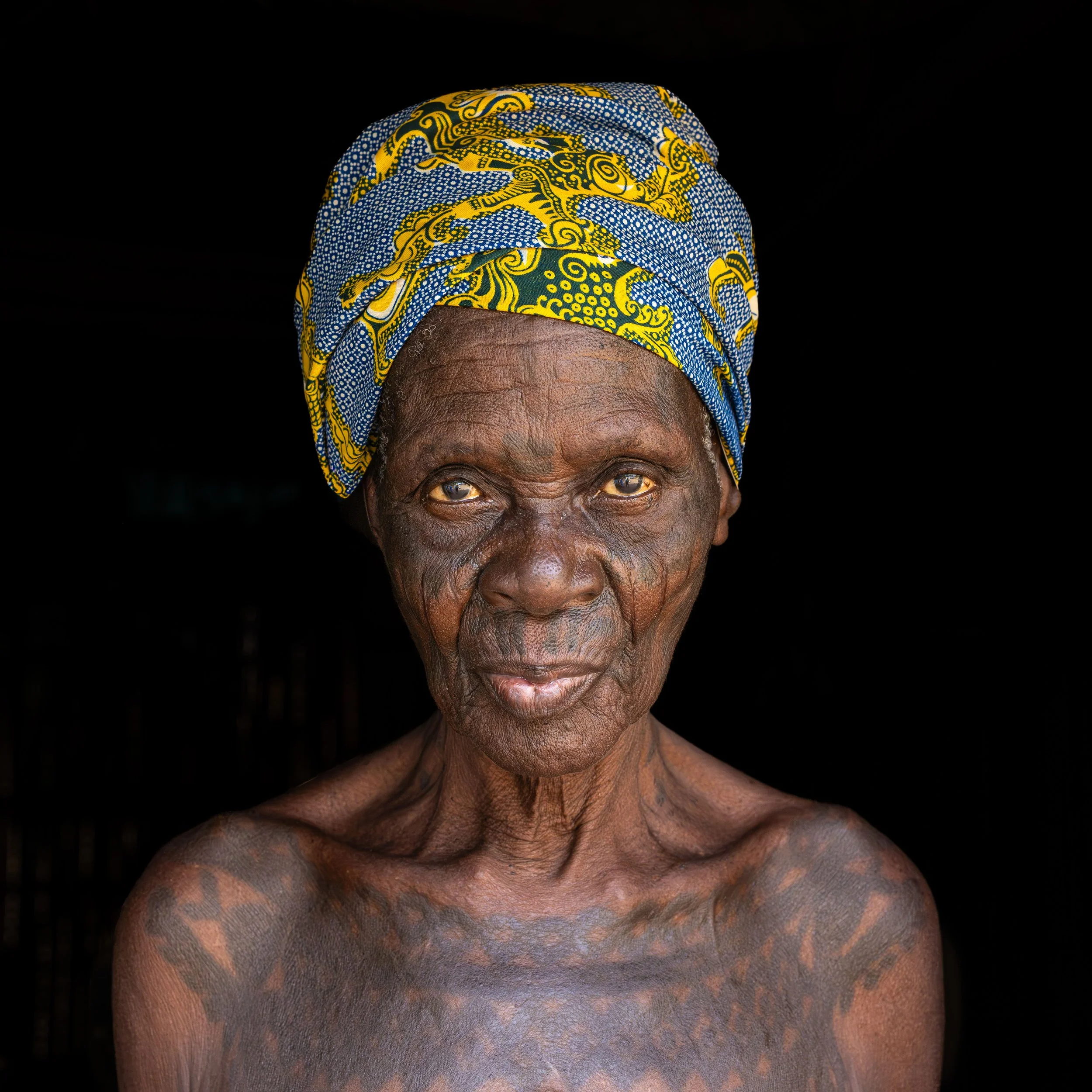
An elder woman bears the facial scarification marks of her rural tribe. Cut or burned into the skin, these patterns are worn with pride and are historically used to identify those taken into slavery and ensure their return home.
-
![]()
What the Skin Carries
A tribal elder, her scarification extending across her chest and shoulders. The markings carry layers of meaning: identity, lineage, and a defiant spirit that has endured across generations.
-
![]()
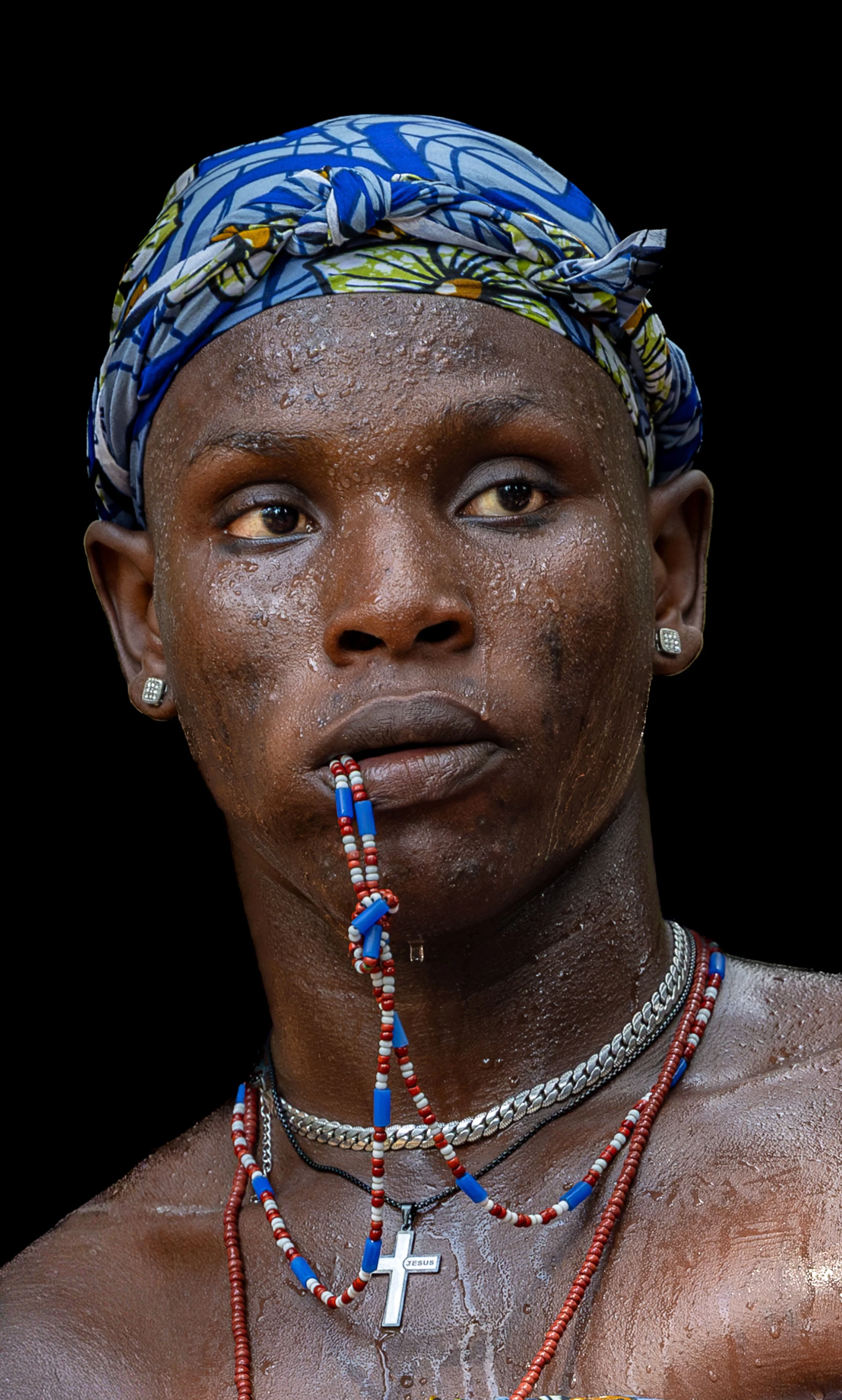
At the Edge of Speech
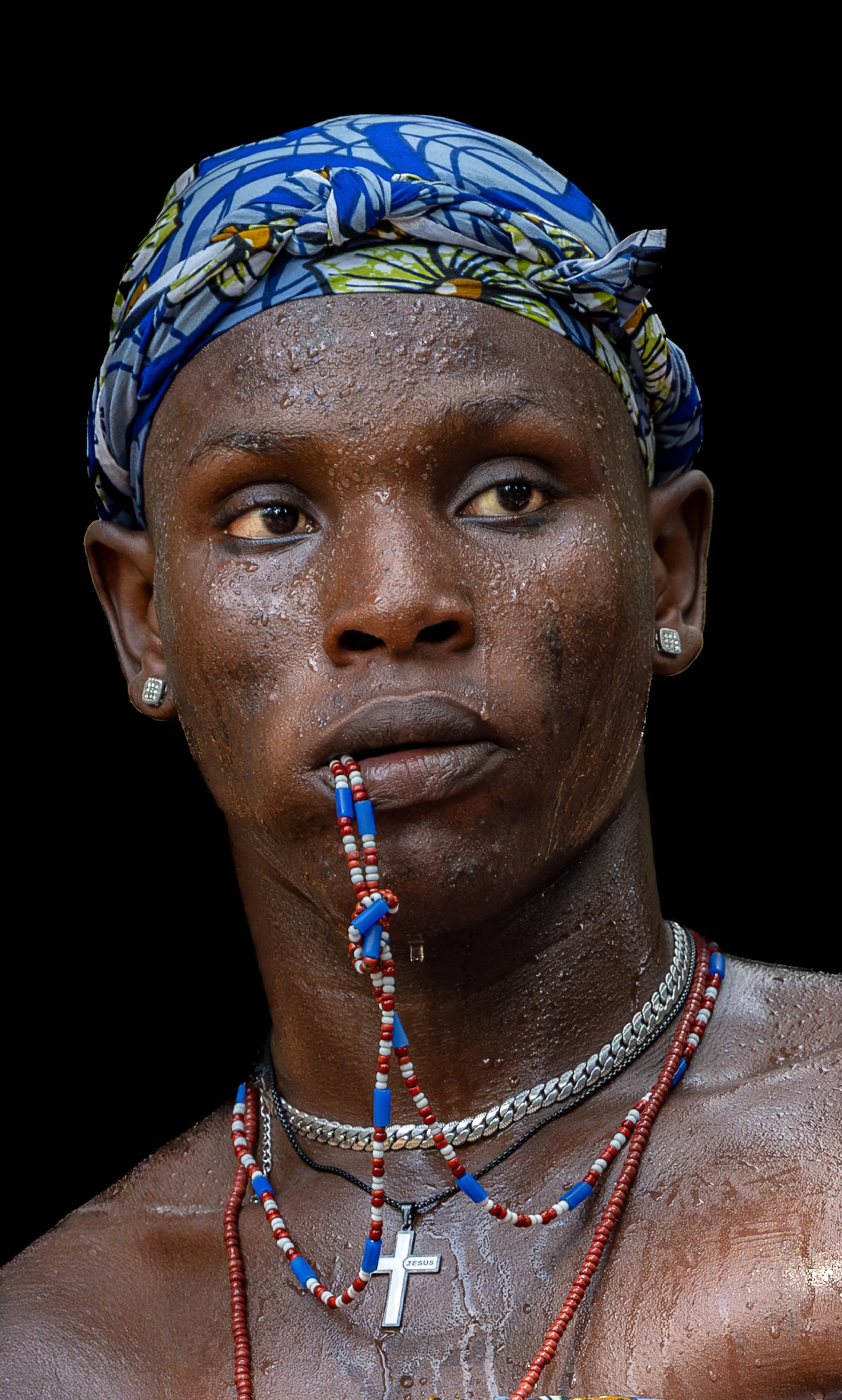
Beads, sweat, fabric and gaze come together as forms of presence, turning this portrait, photographed during Gambada at the Ouidah festival in Benin, into an intense encounter between viewer and subject
-
![]()
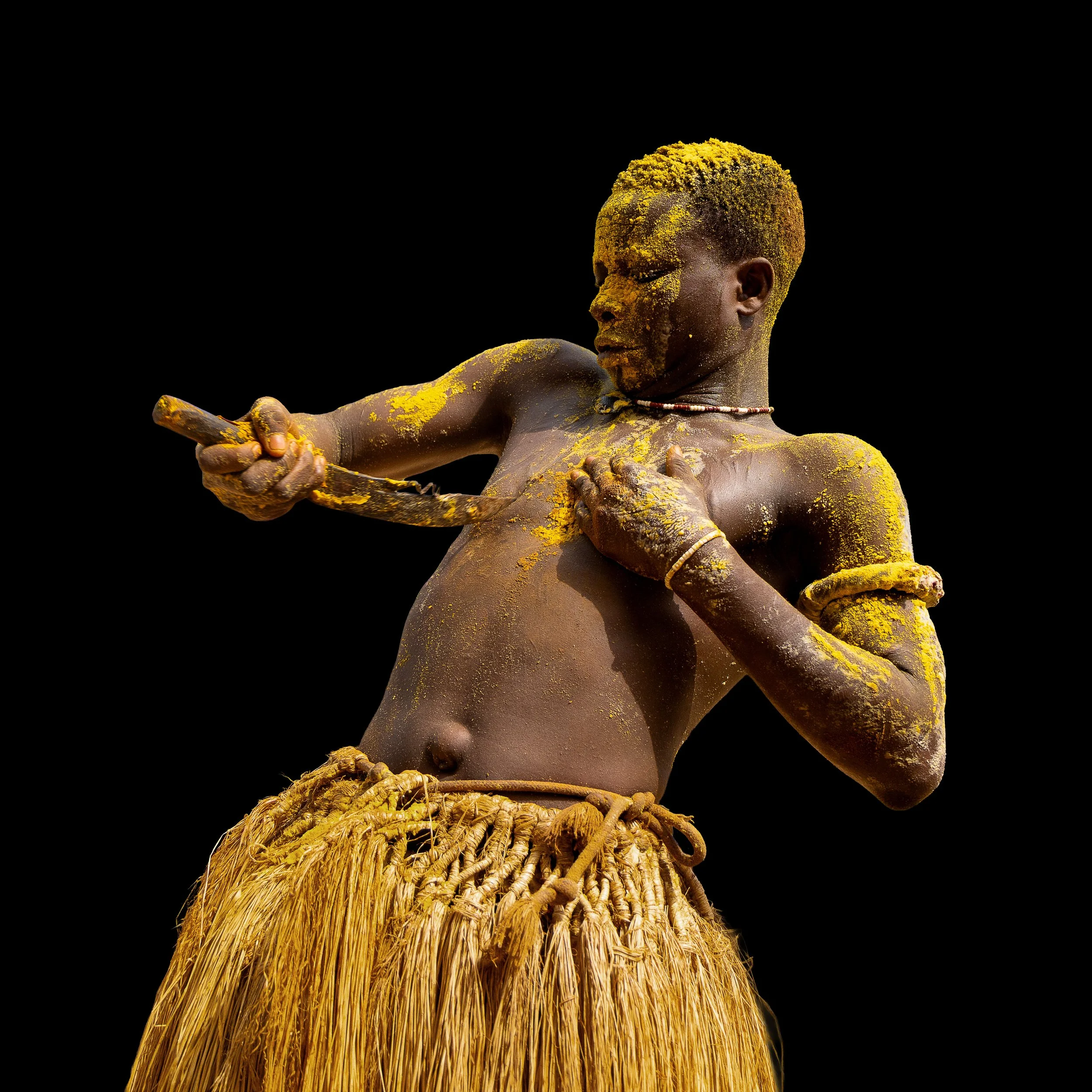
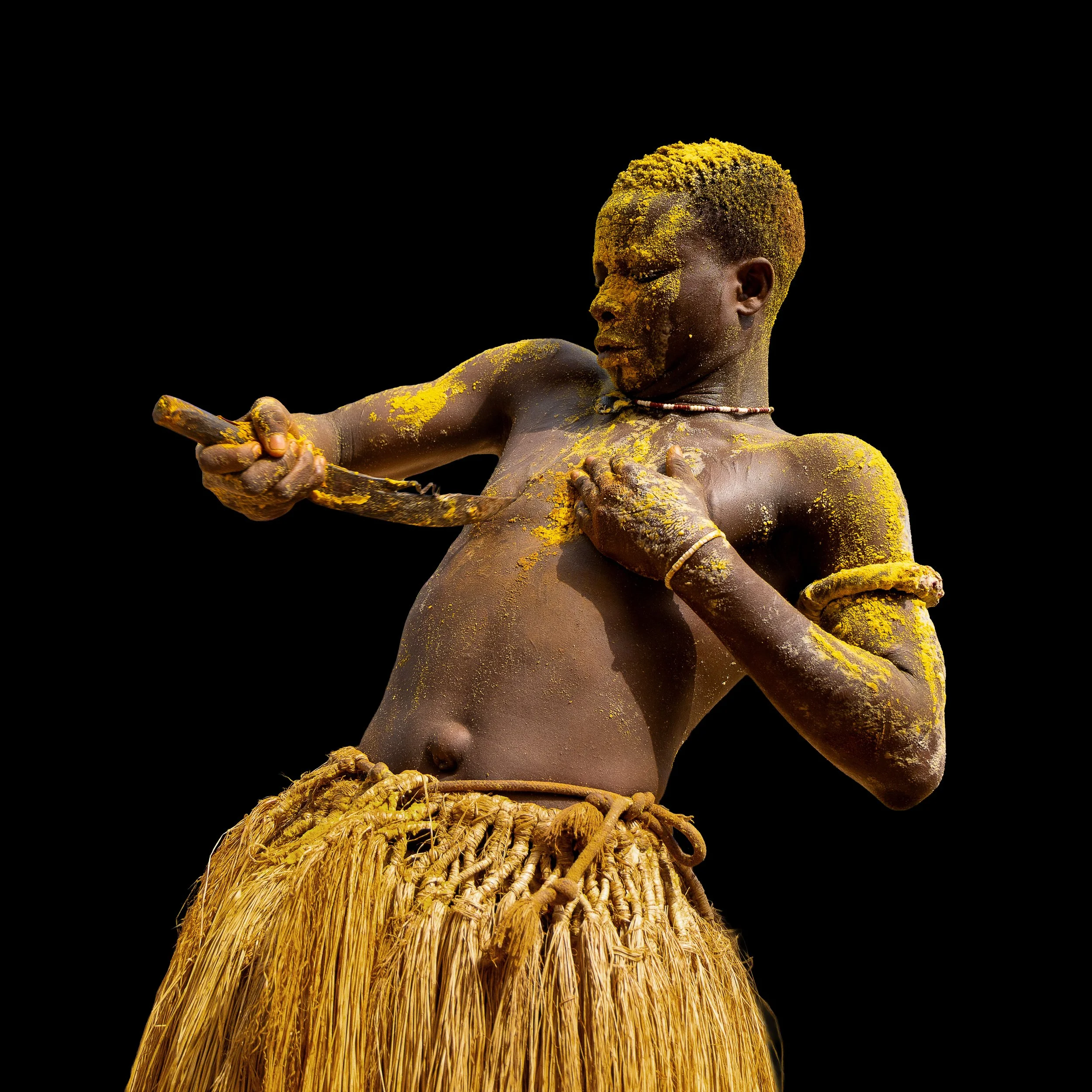
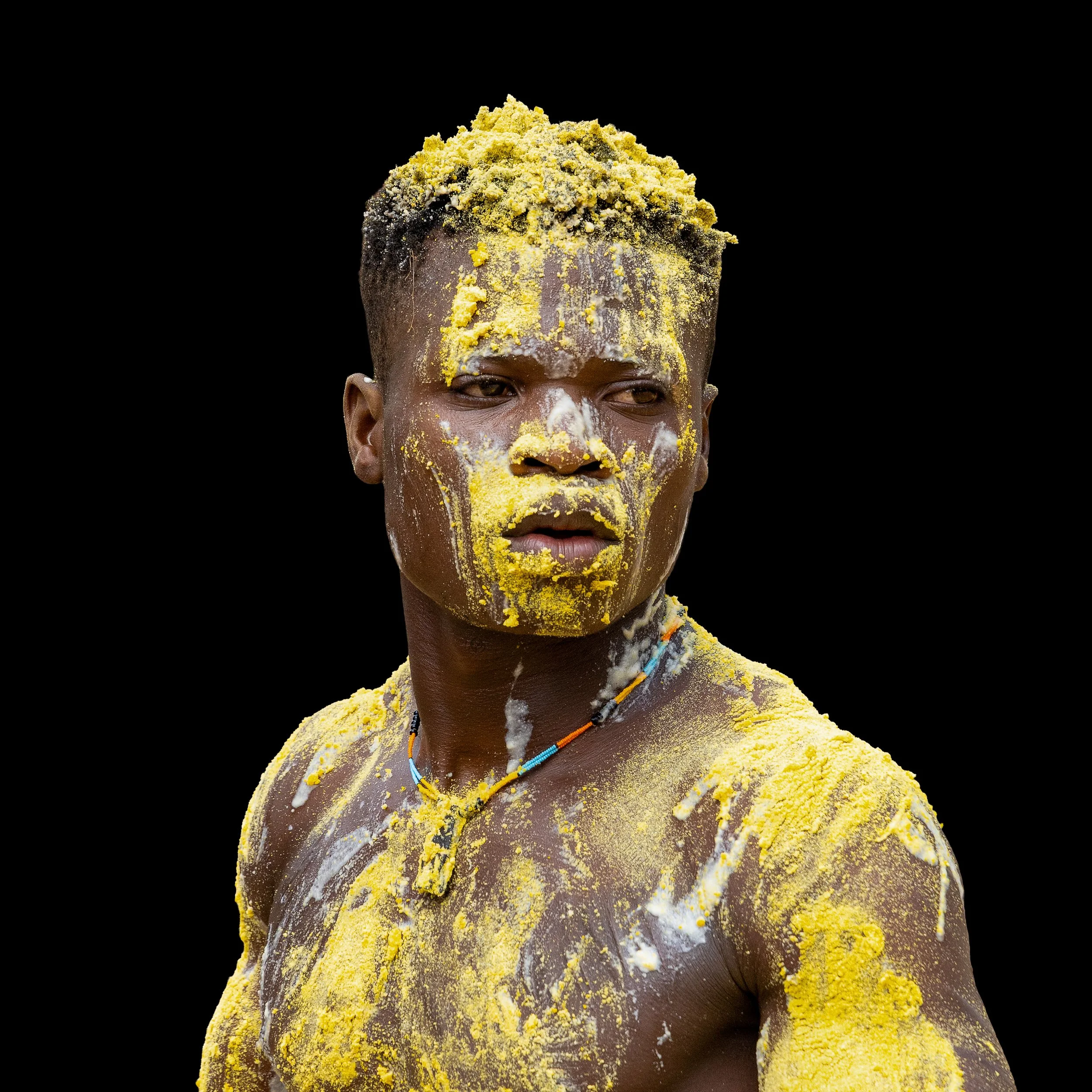
Yellow Invocation
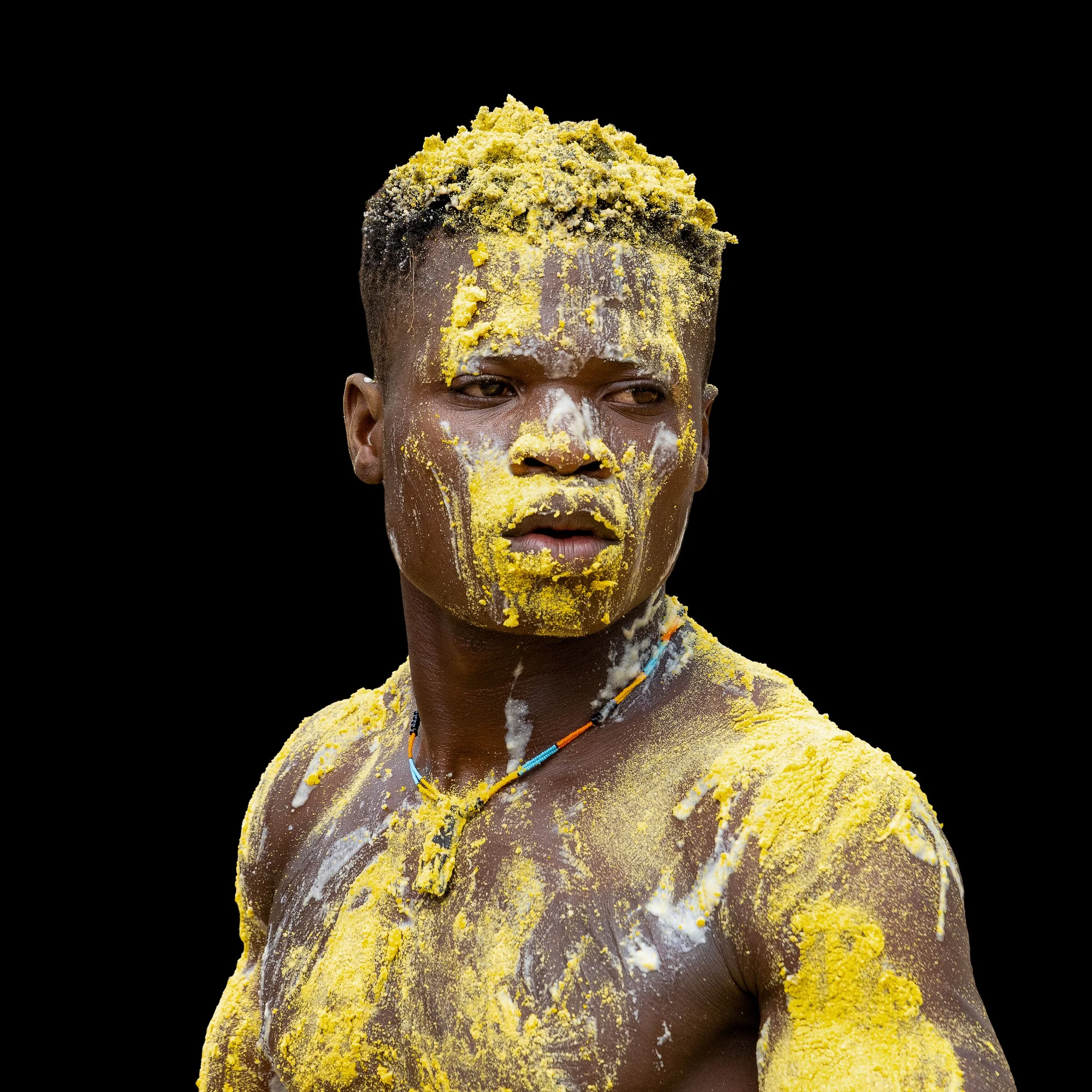
During a Kokou ceremony in Ouidah, Benin, the figure has doused himself in palm oil and yellow paste; both this colour and substance are believed to open a channel to the spirits. Here the ritual force settles briefly into the stillness of the photographic frame.
-
![]()
Pride
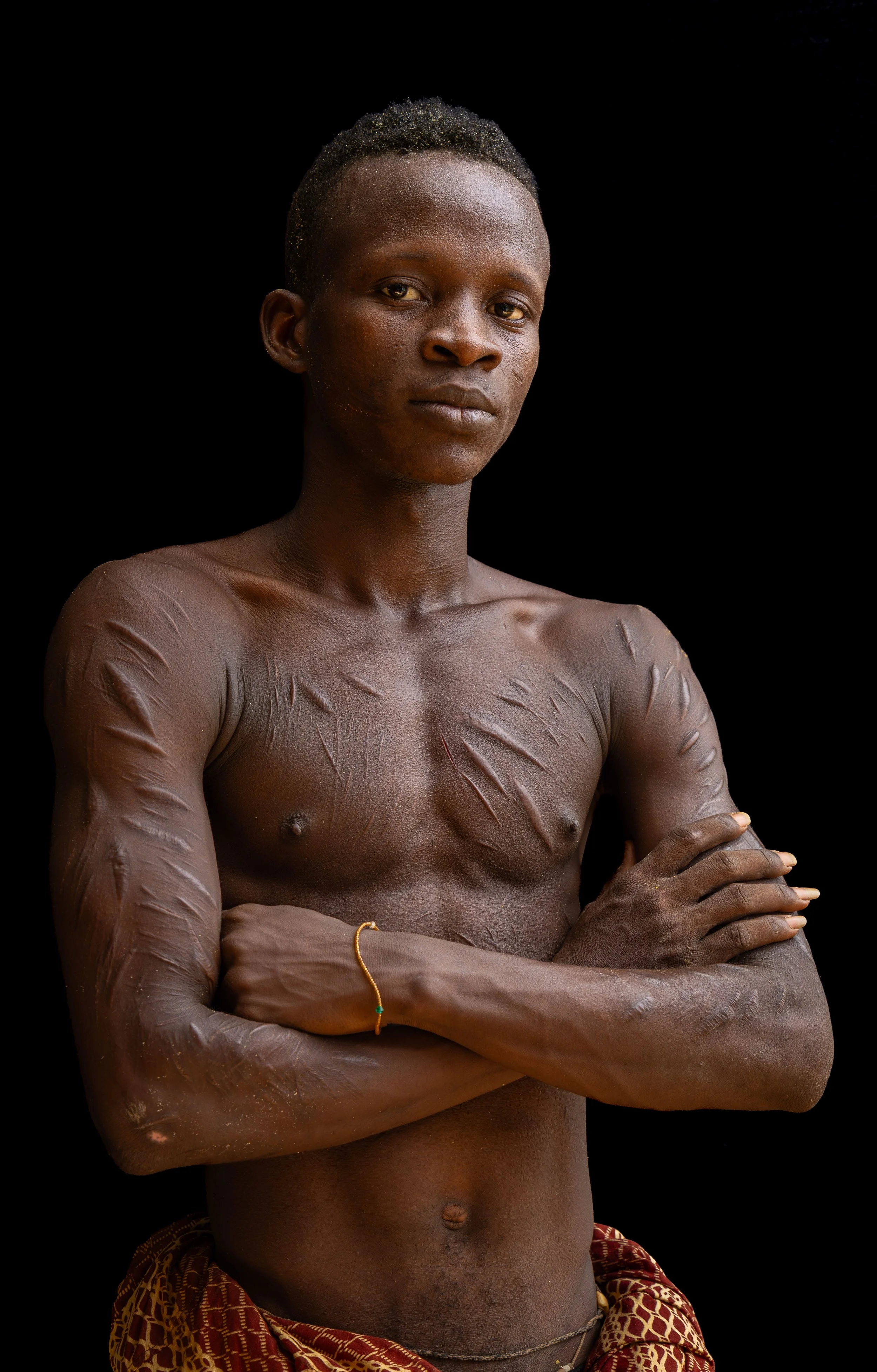
A young Kokou dancer stands with quiet pride, his arms and chest marked by ritual scars cut by scythe. The cuts are believed to invoke the protective power of the warrior spirit, and the marks are worn with pride, symbolising strength and fearlessness.
-
![]()
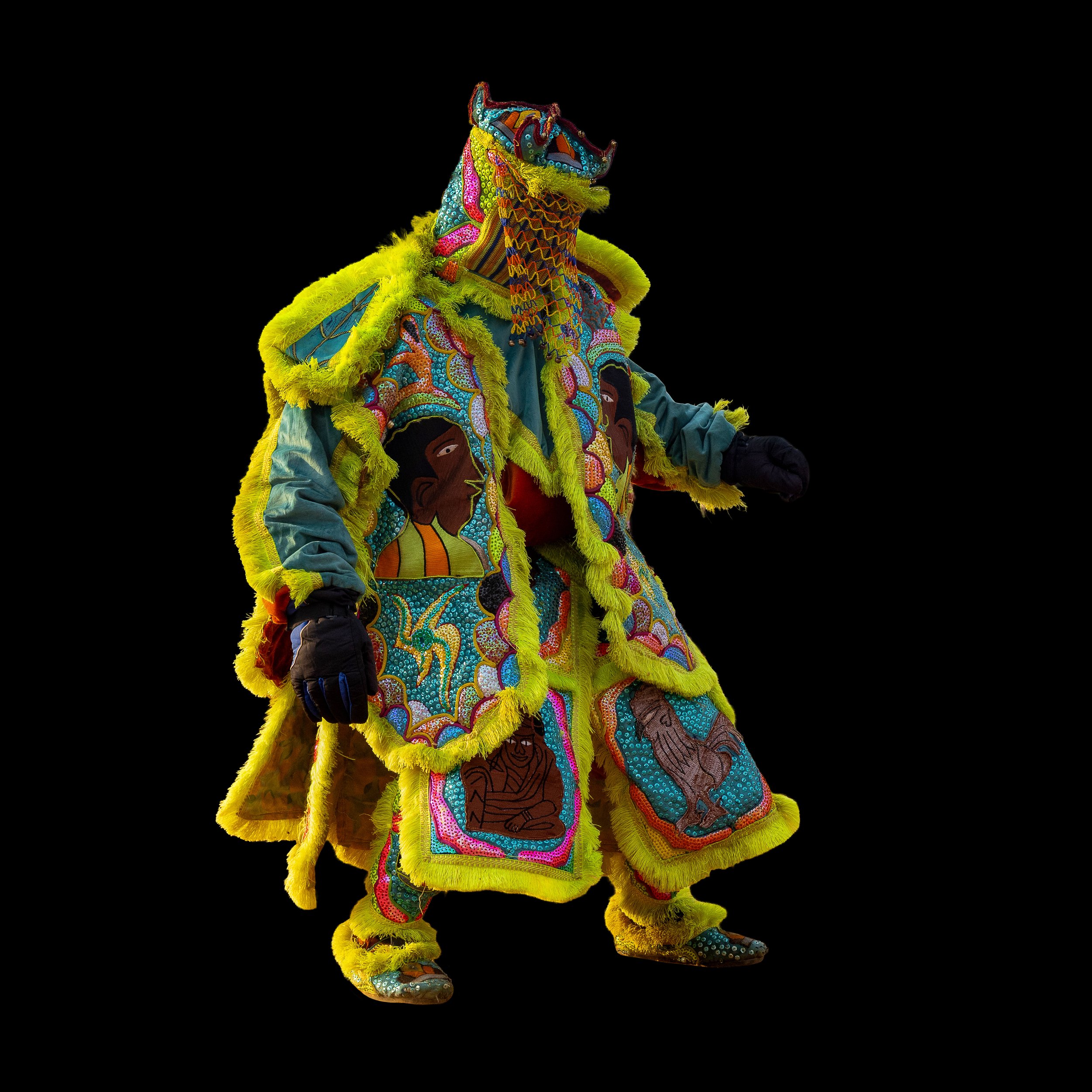
Ancestors
This figure is a visual force in this ritual ceremony. Layered, beaded and blazing with colour, the body is concealed and transformed, allowing the wearer to appear as a returned ancestral force.
-
![]()
Voodoo Trance
Deep in Kokou trance, a performer endures feats of physical endurance that defy ordinary limits. The voodoo ceremony is intense and consuming and the body becomes vessel for something beyond it.
-
![]()
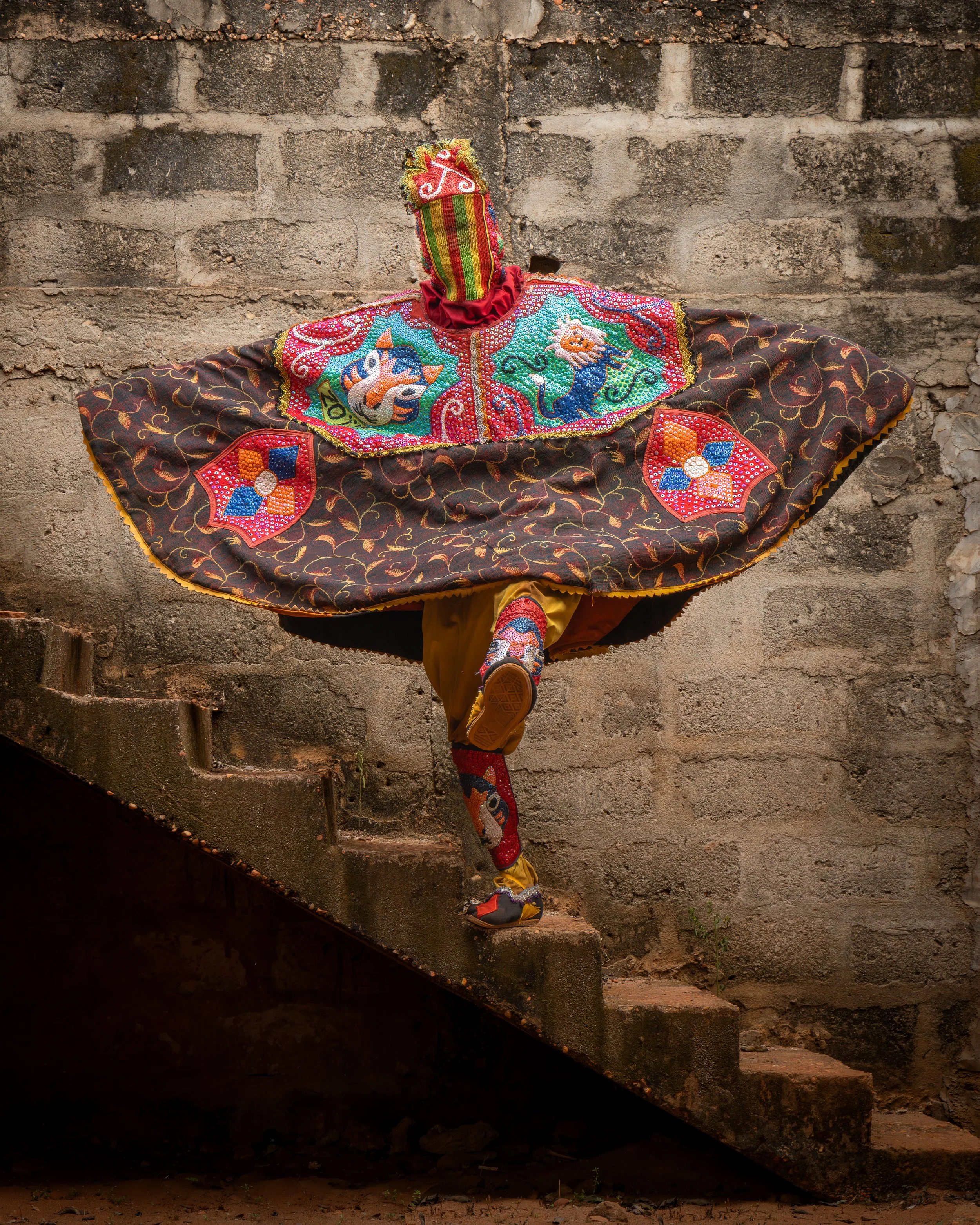
Ghost Dance
Caught mid-turn, this figure holds the cape open as if the cloth itself has become a body. In the ancestral masquerade tradition, concealment, colour and movement allow the figure to appear as a returned ancestral presence.
-
![]()
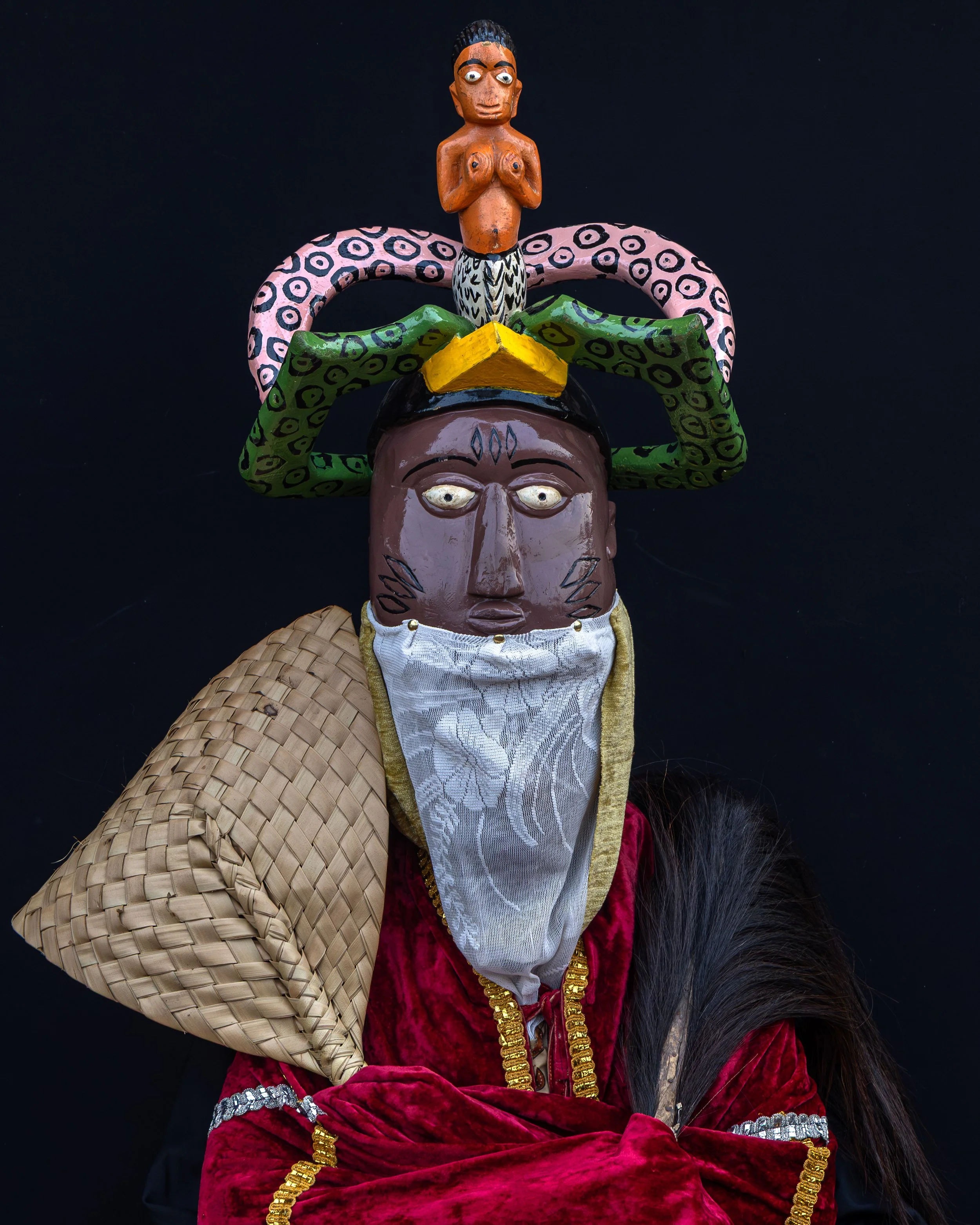
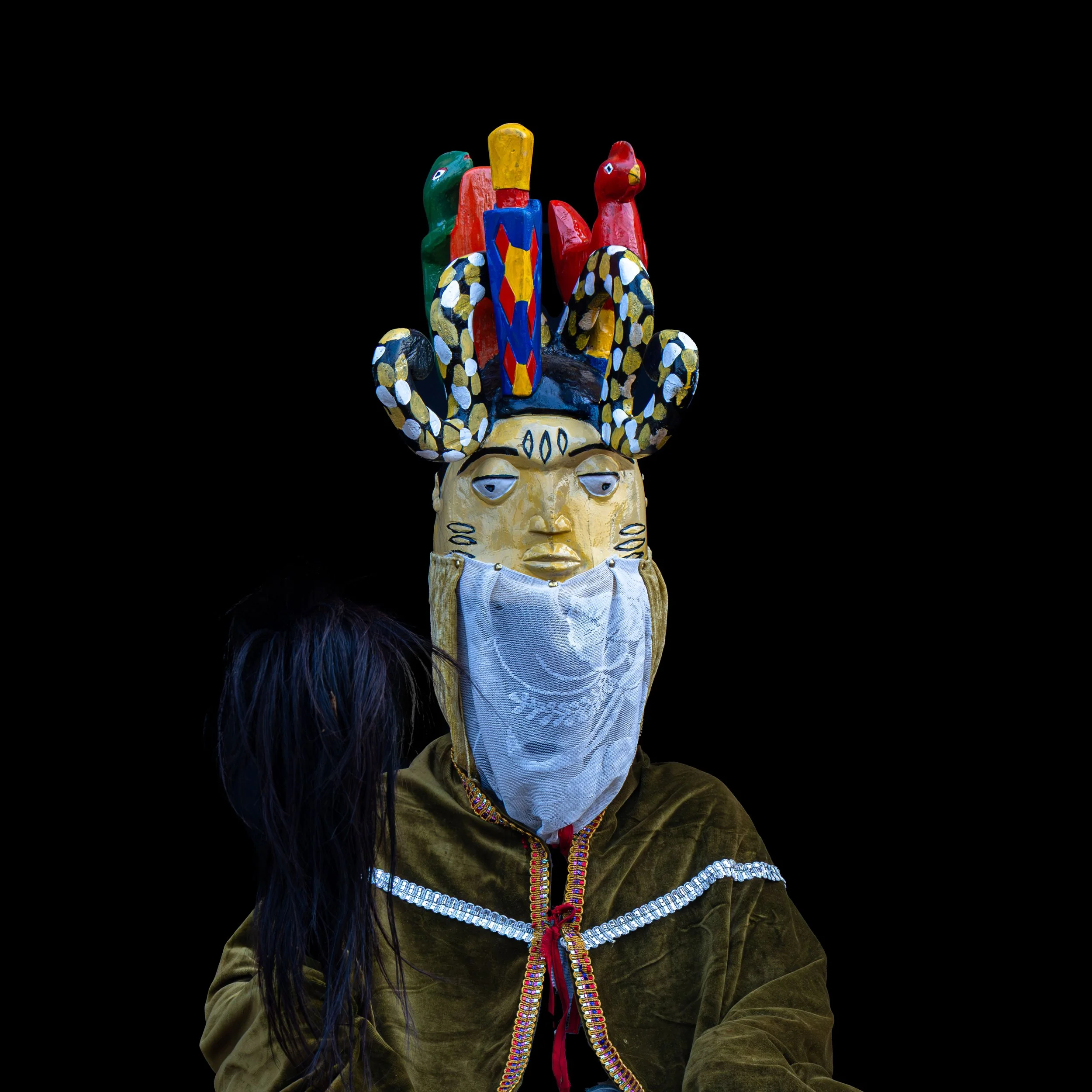
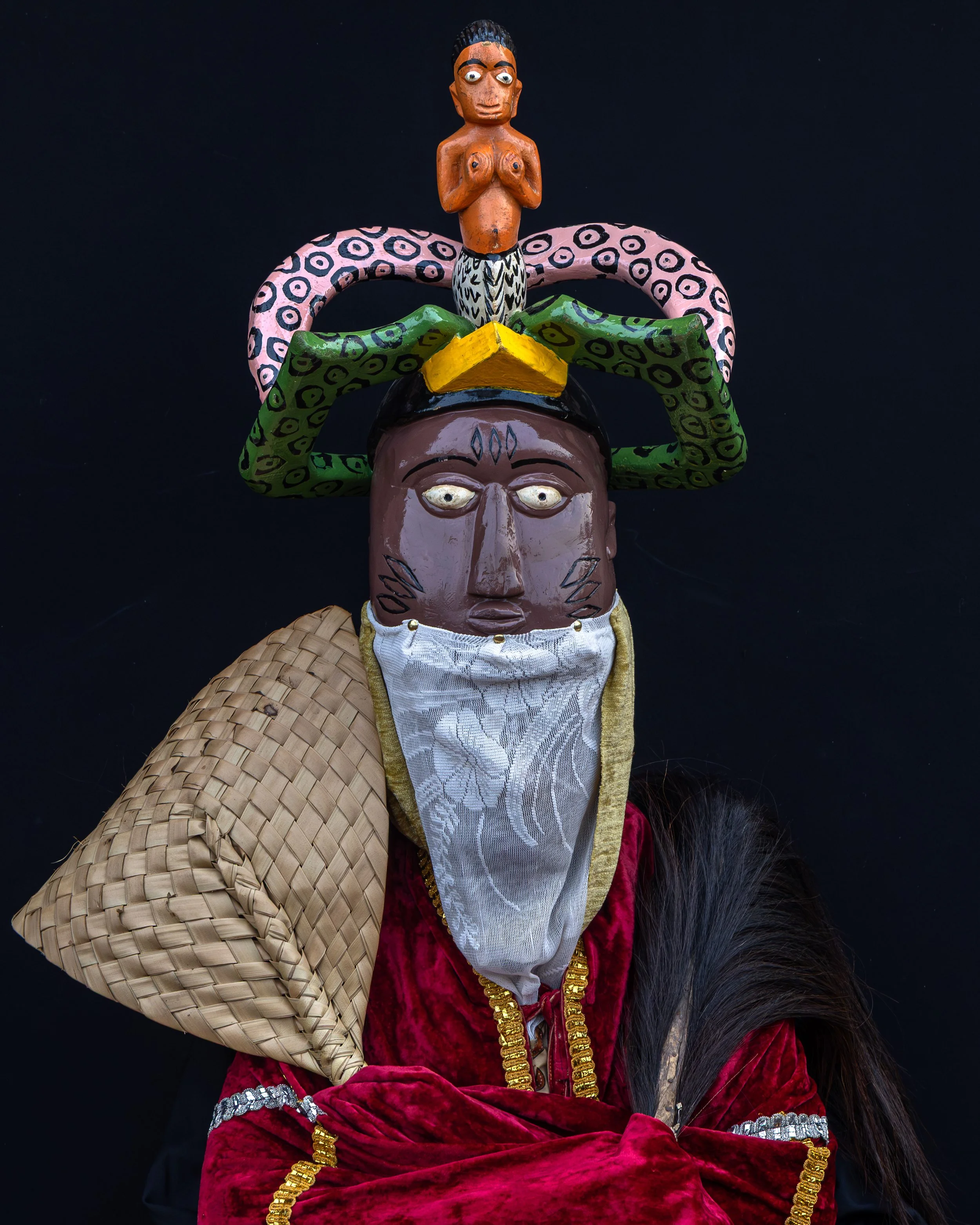
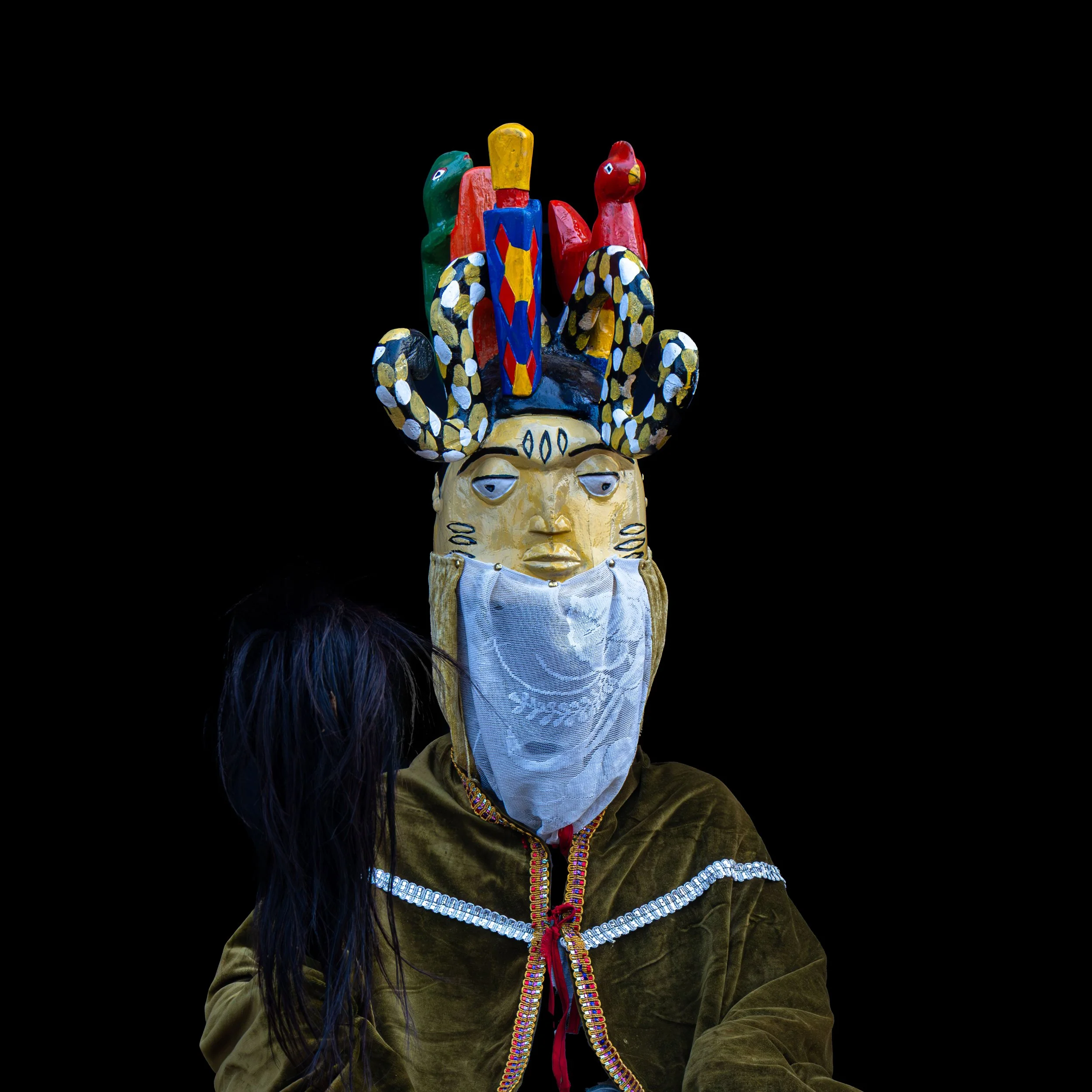
Dark Mask
The carved face, cloth veil and sculptural crest of this masquerade figure is led by drums and movement to bring the spiritual forces into public view for protection and blessing.
-
![]()
Yellow Mask
The yellow masquerade figure carries a calm, watchful presence. Through mask, costume, rhythm and gesture, the performer is concealed so that a spirit presence can enter public view, moving through the crowd as both ceremony and encounter.
-
![]()
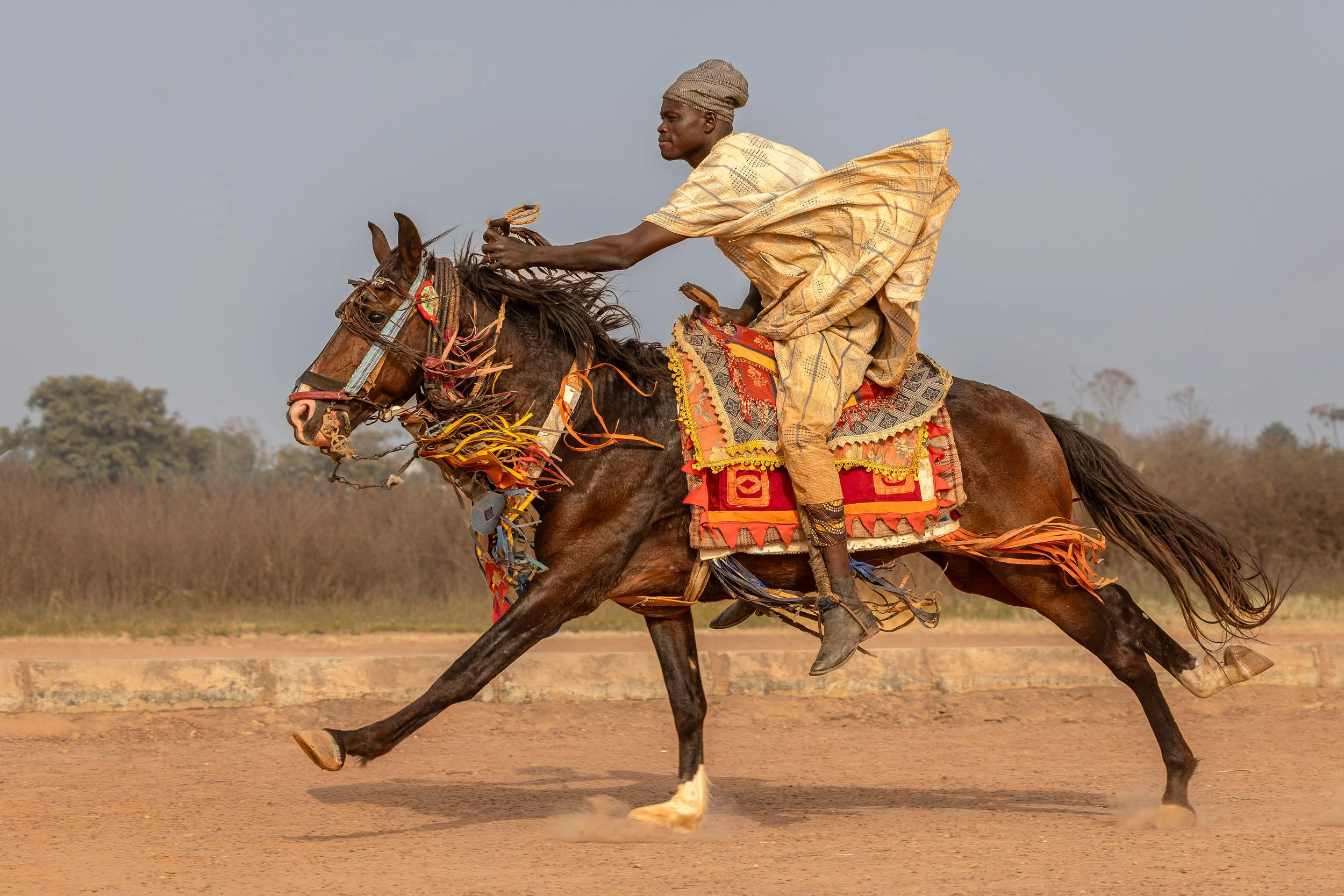
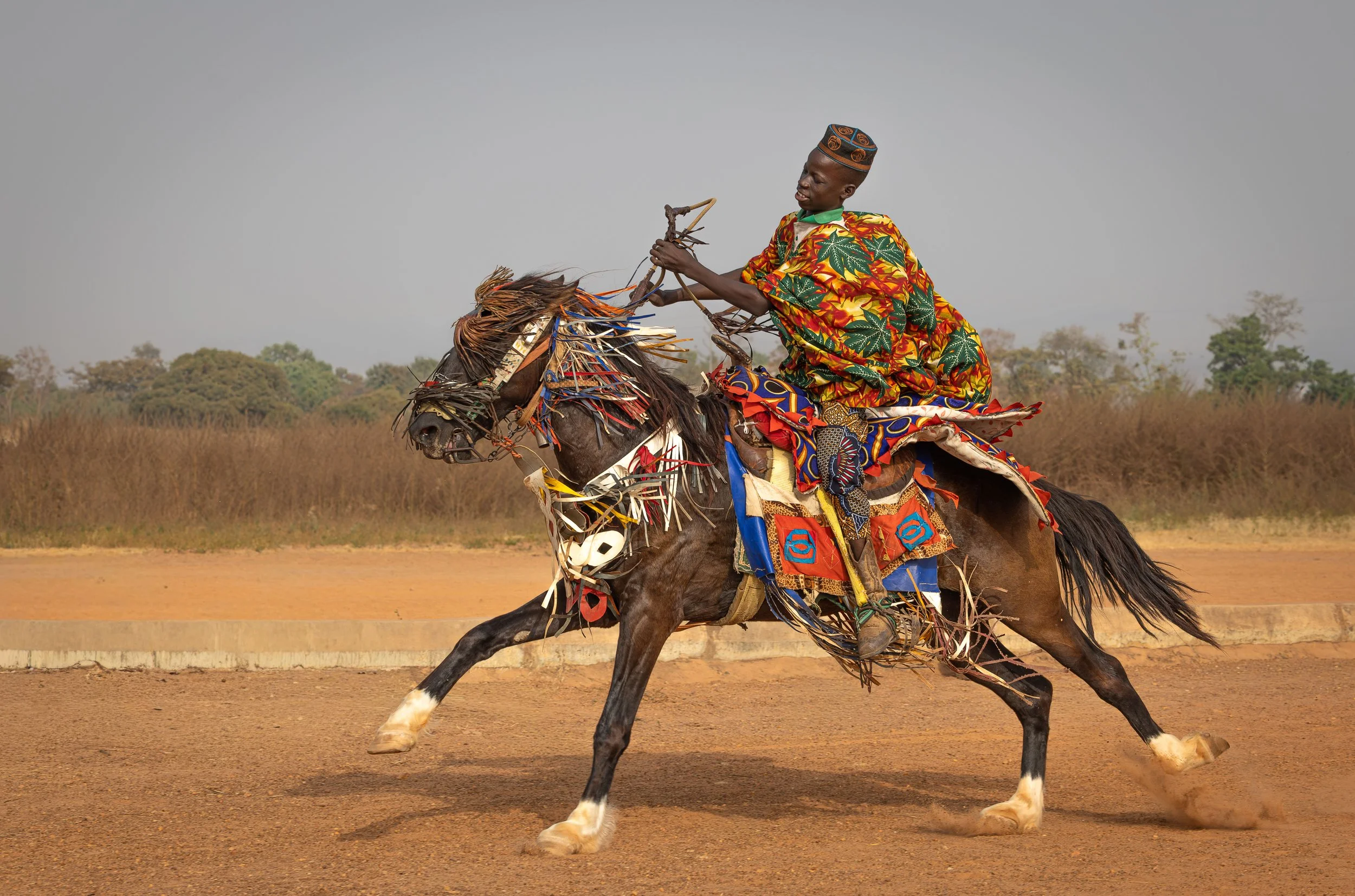
Full Gallop
A Bariba rider leans into speed, his cloth lifting behind him as horse and body move as one. The adorned horse carries the pride, status and inherited discipline of Benin’s equestrian traditions.
-
![]()
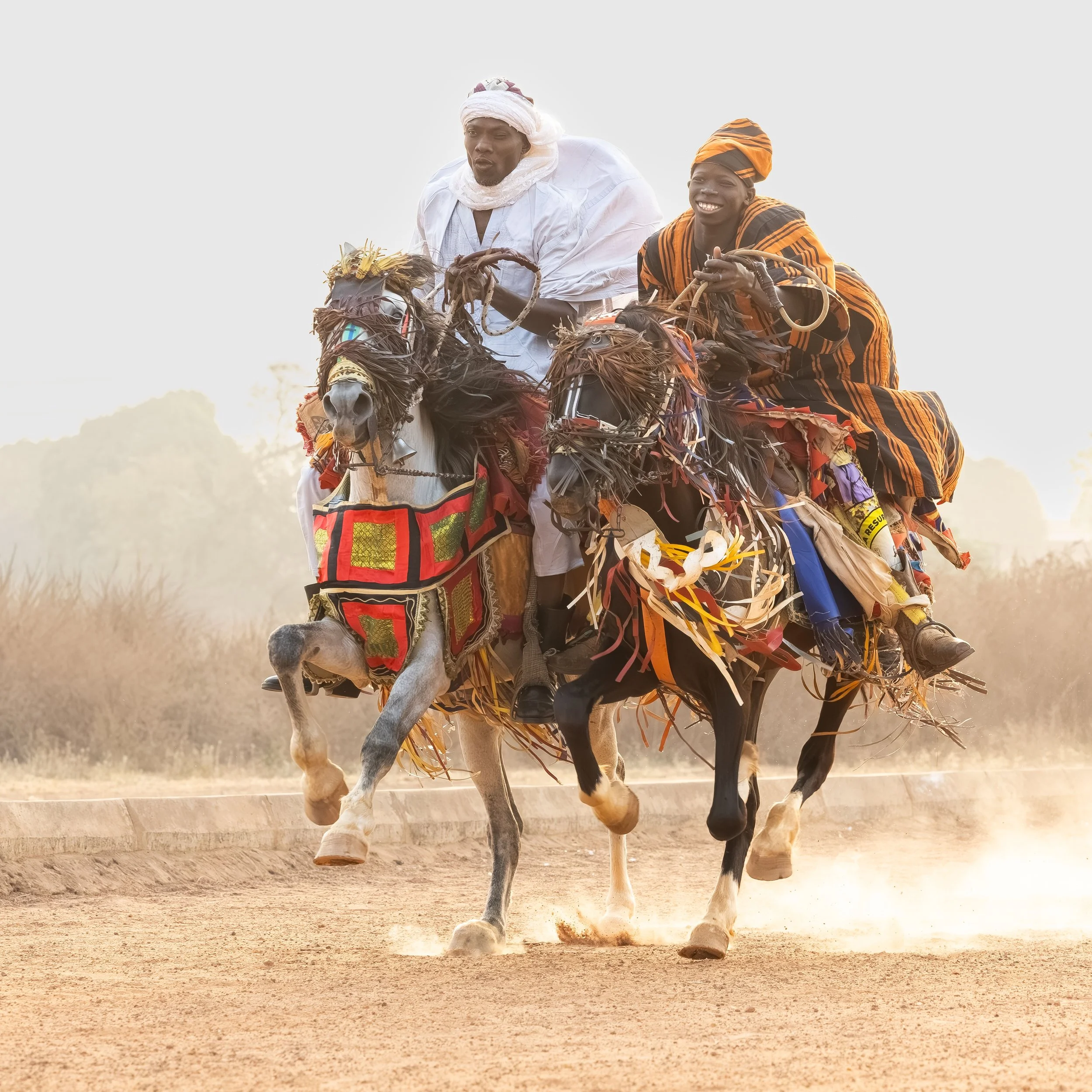
Side by Side
Two riders pass through dust and light with their horses dressed in colour and movement. Among the Bariba, horsemanship is both display and discipline, bringing together race, pageantry, skill and the public performance of rank.
-
![]()
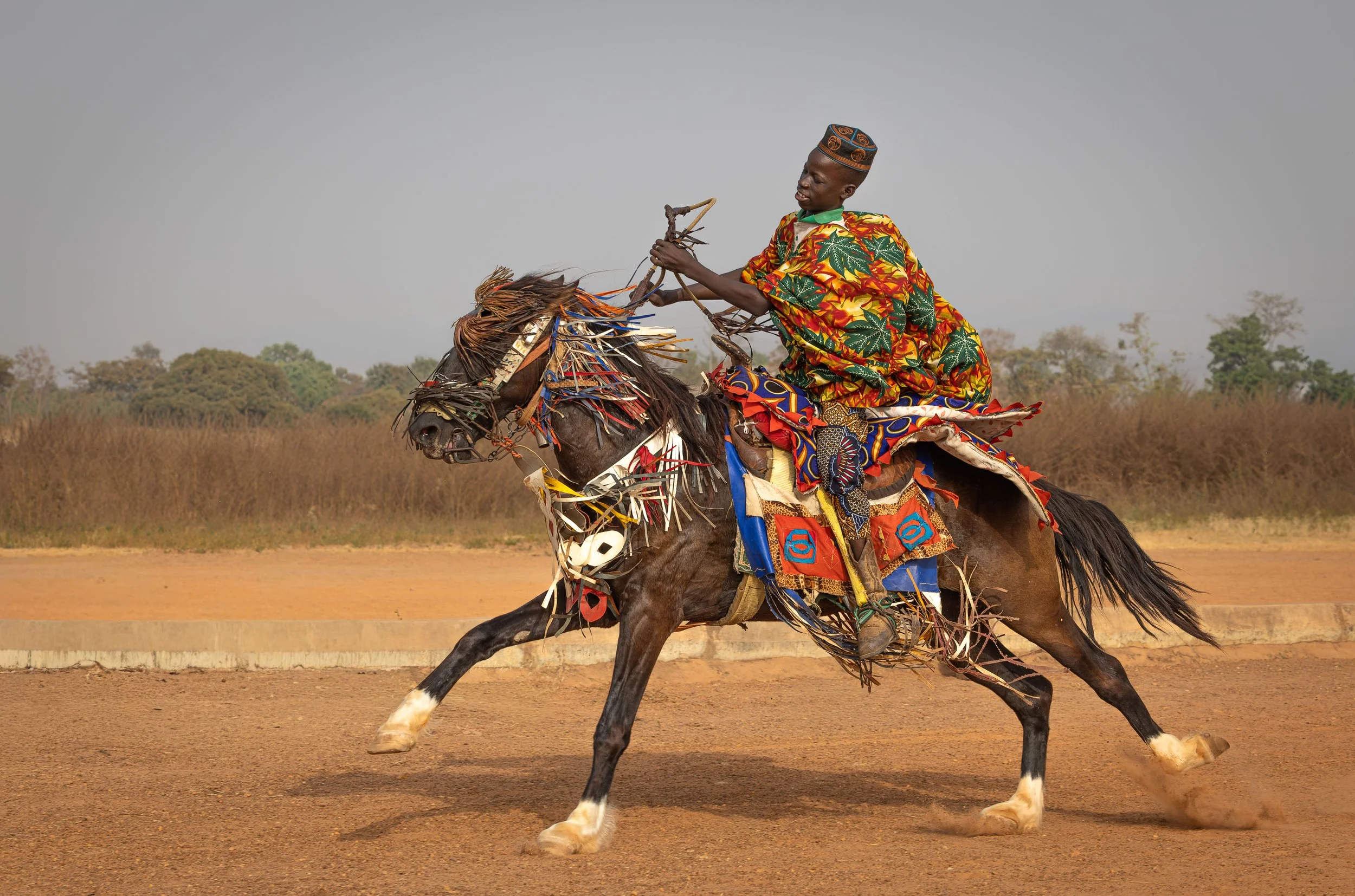
Colour in Motion
On a richly adorned horse, the rider holds the reins with ease, his patterned cloth echoing the colour of the saddle and harness. The image catches a moment of control within motion, where dress, horse and rider become one moving form.
-
![]()
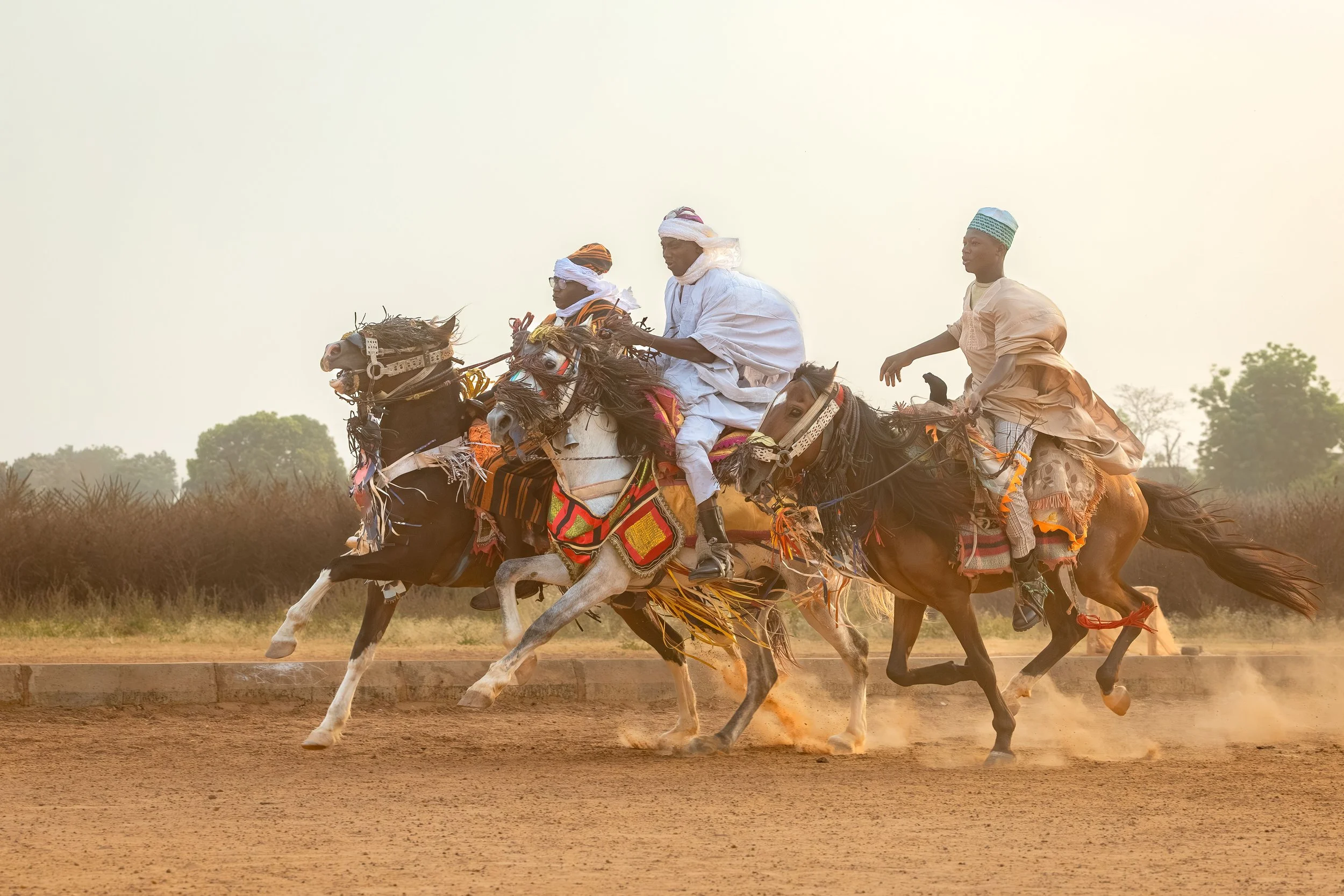
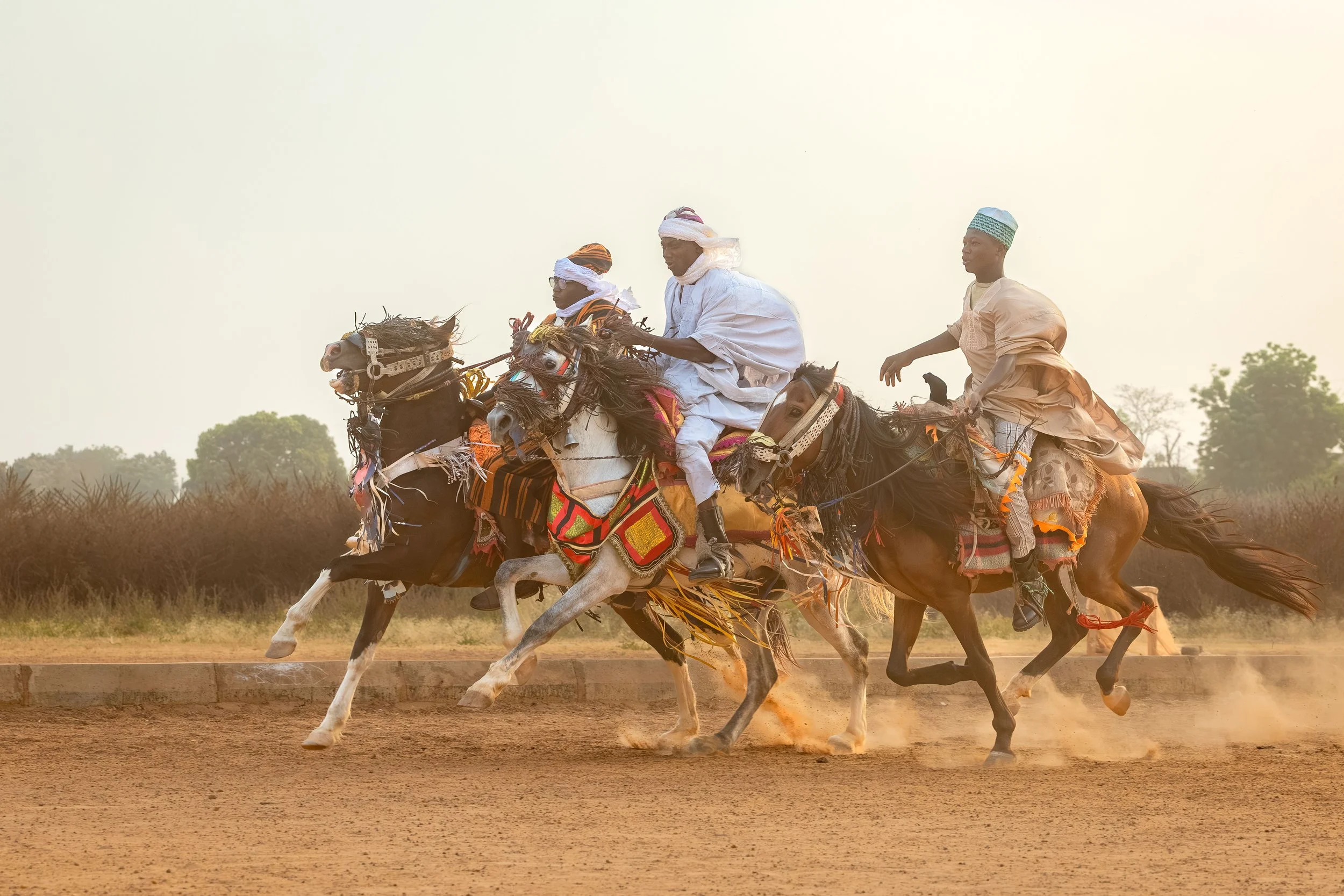
Three for Three
Three riders surge forward in formation, their robes, turbans and decorated horses cutting through the dust. The scene carries the energy of a race, but also the older language of ceremony, honour and mastery held within Bariba horse culture.
-
![]()
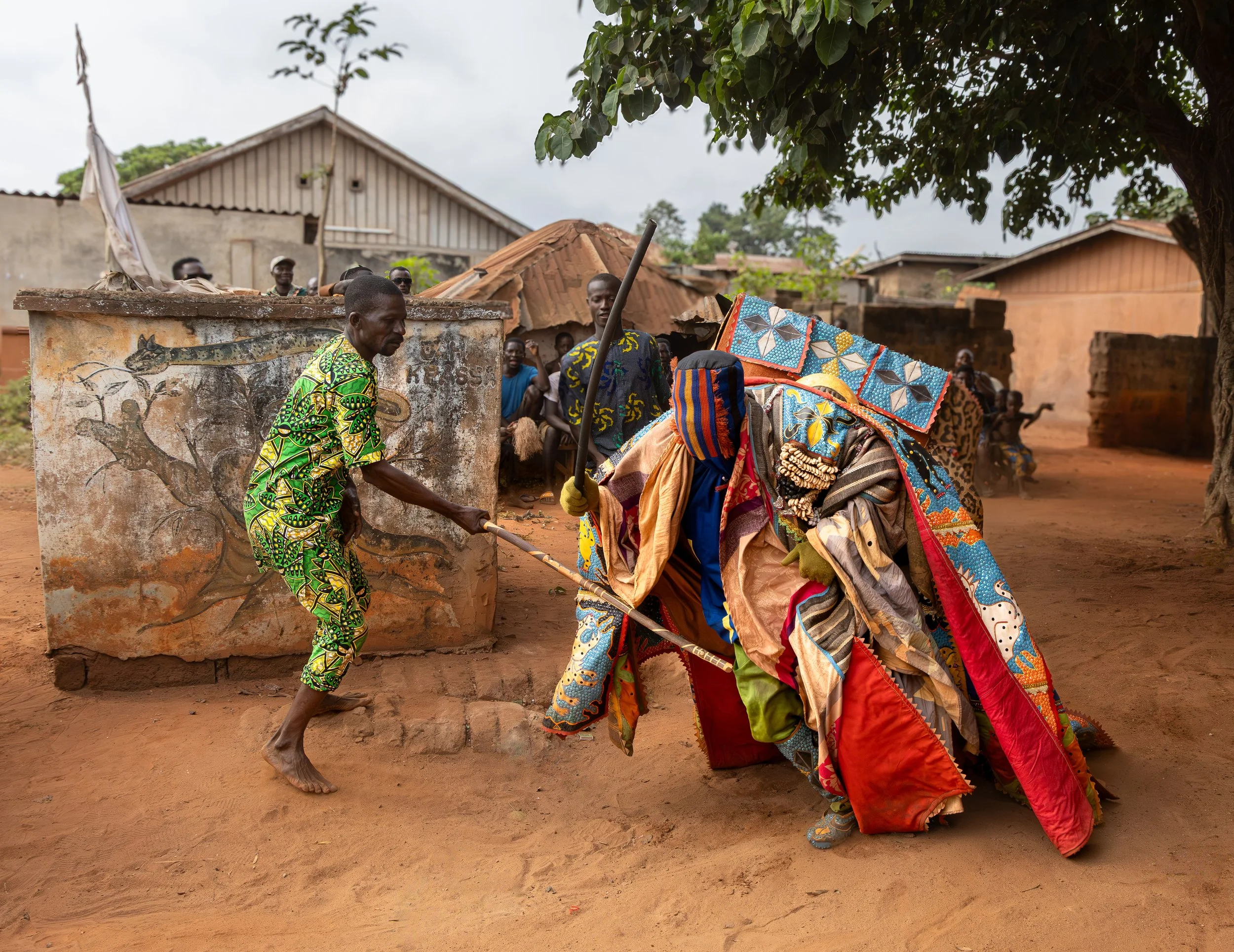
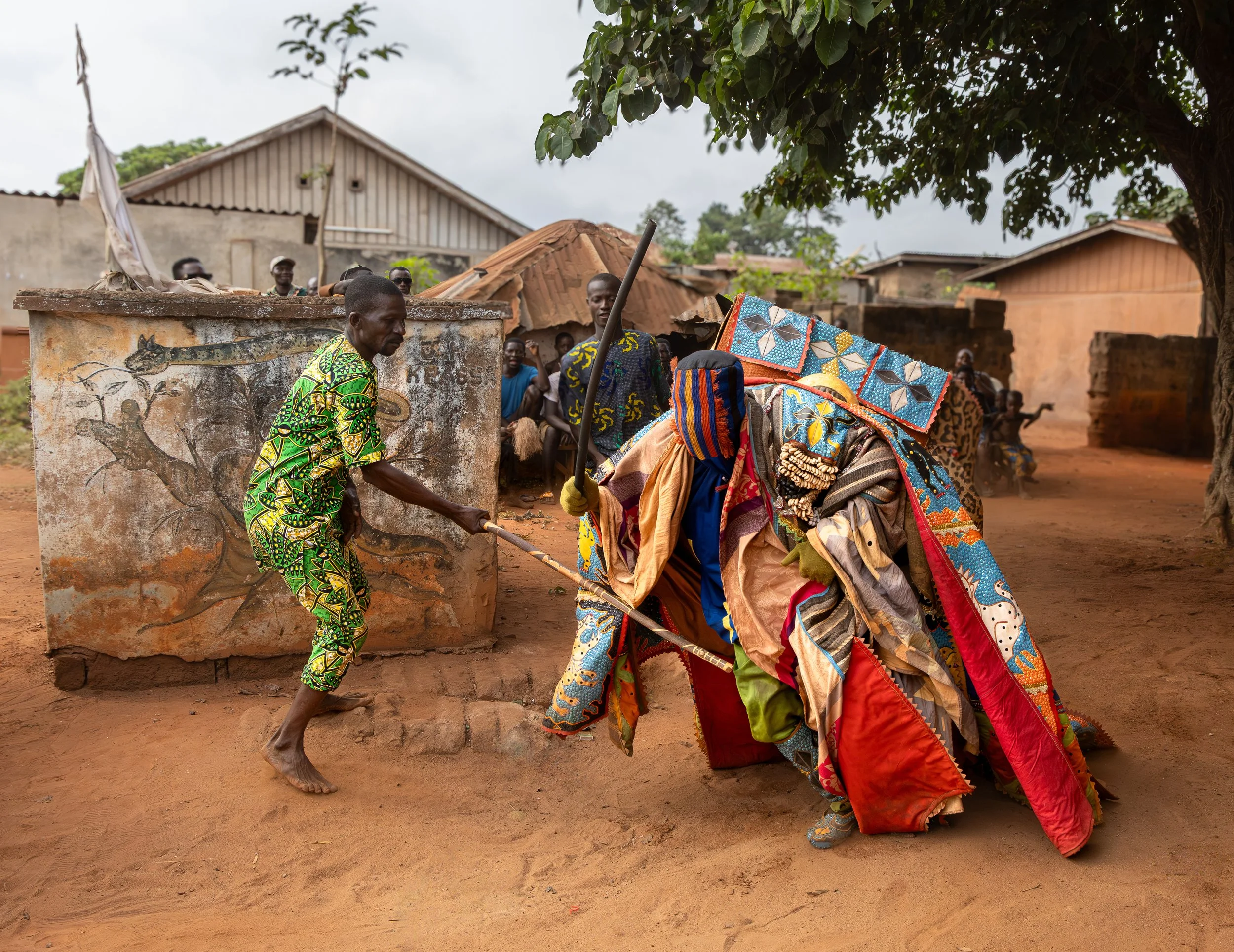
At A Distance
Driven by a handler's stick, the masked figure moves through the village like a force of nature and the crowd gives way. Here presence and power are indistinguishable.
-
![]()
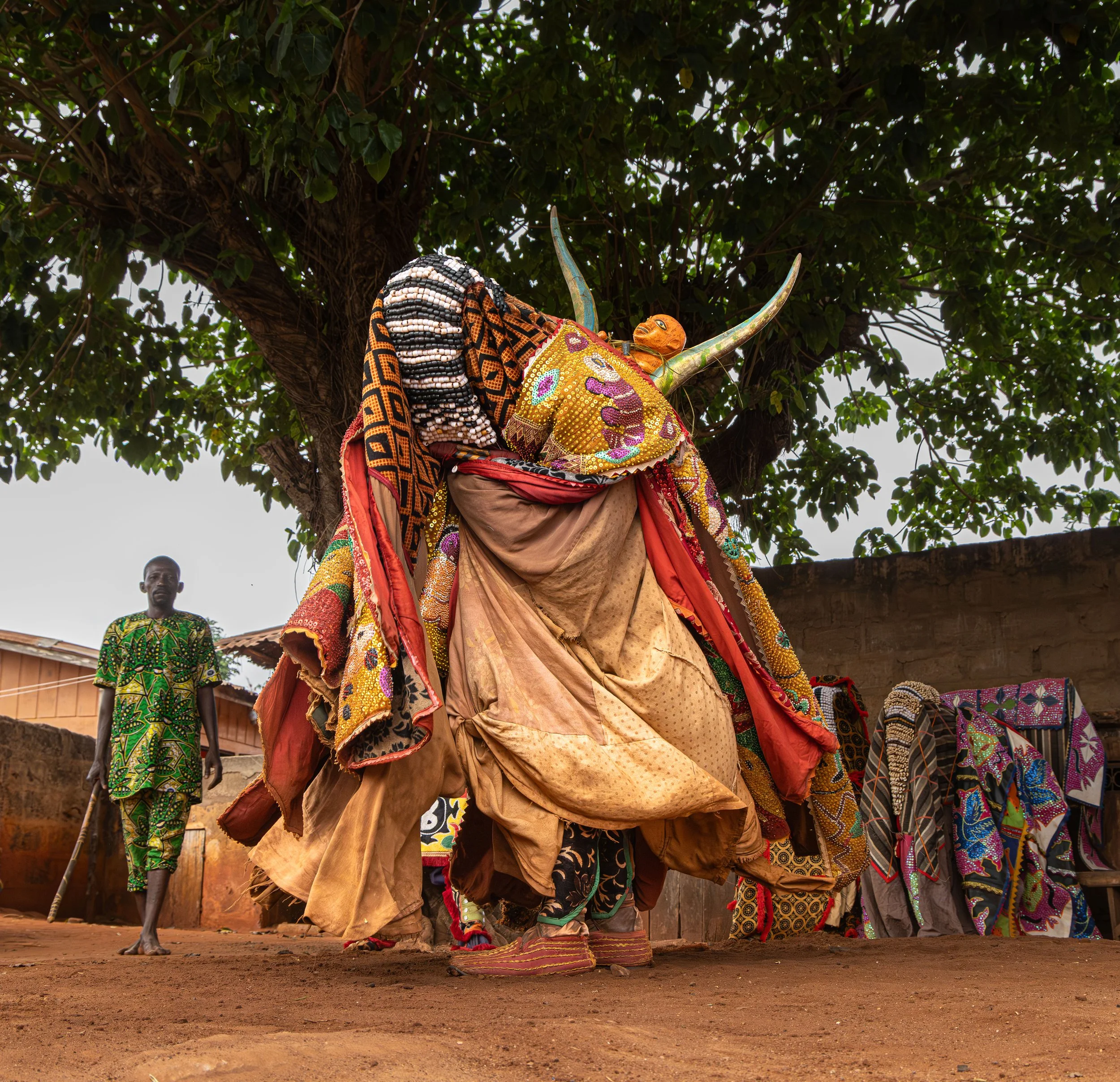
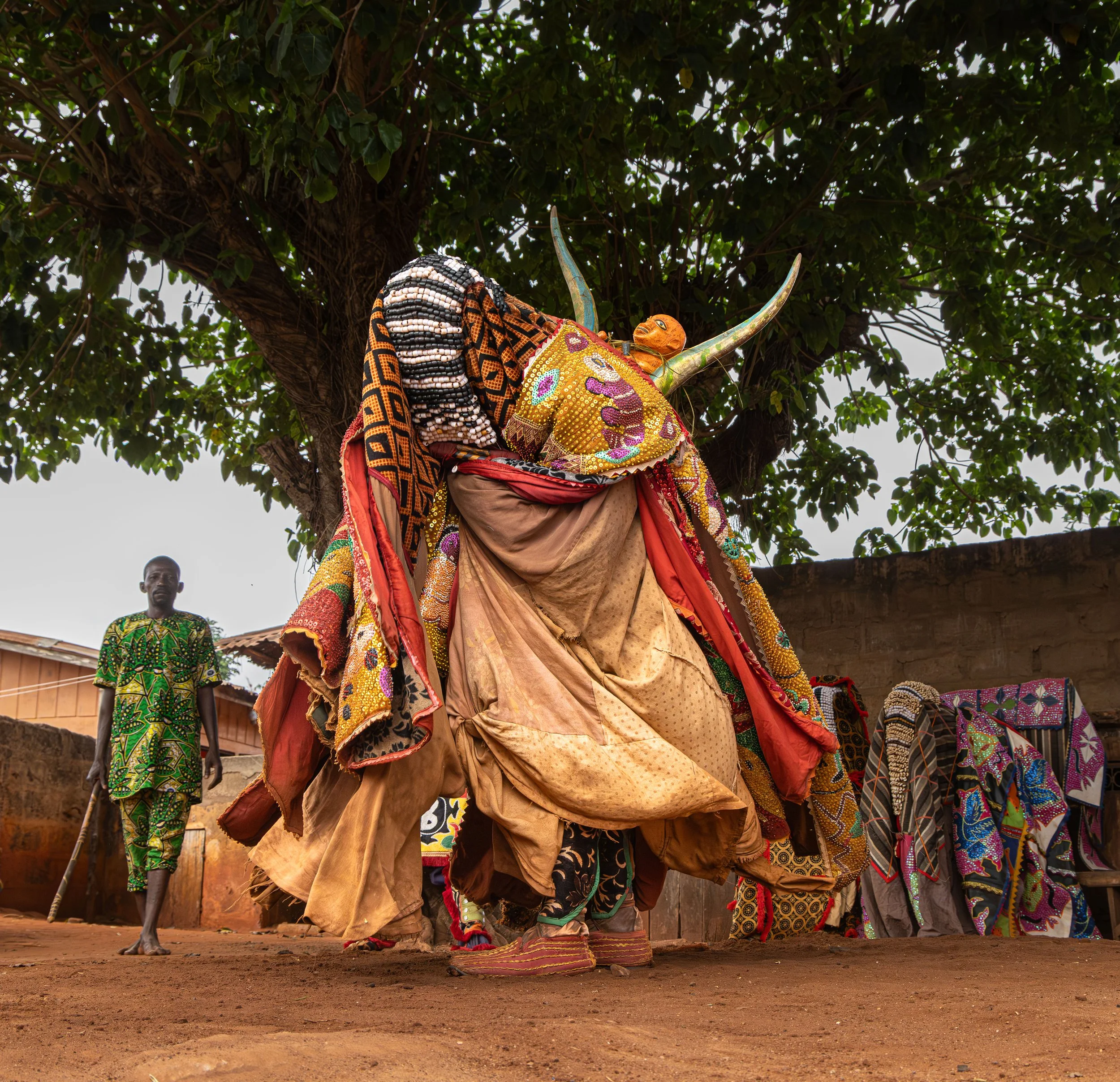
Porto Novo
In this Porto-Novo masquerade, the body turns itself into a trick of vision. When the performer bends, the head carried on the back becomes the face of the figure, shifting the costume between human form, animal force and phallic sign.
-
![]()
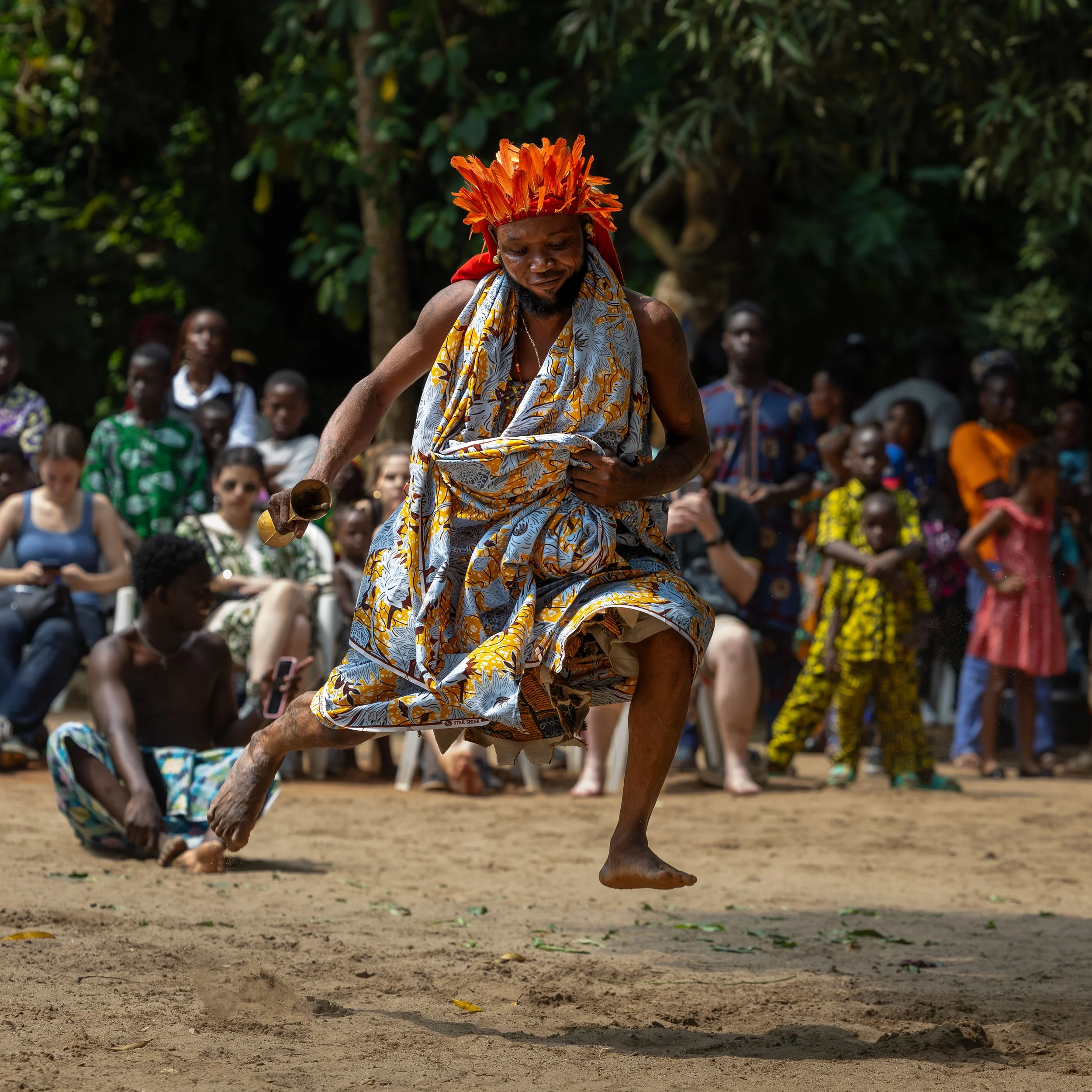
Stories in the Air
With an orange headdress and cloth caught mid-flight, the dancer lifts inherited stories into motion. Performed before gathered spectators and dignitaries, the dance carries rhythm, memory and play through the body.
-
![]()
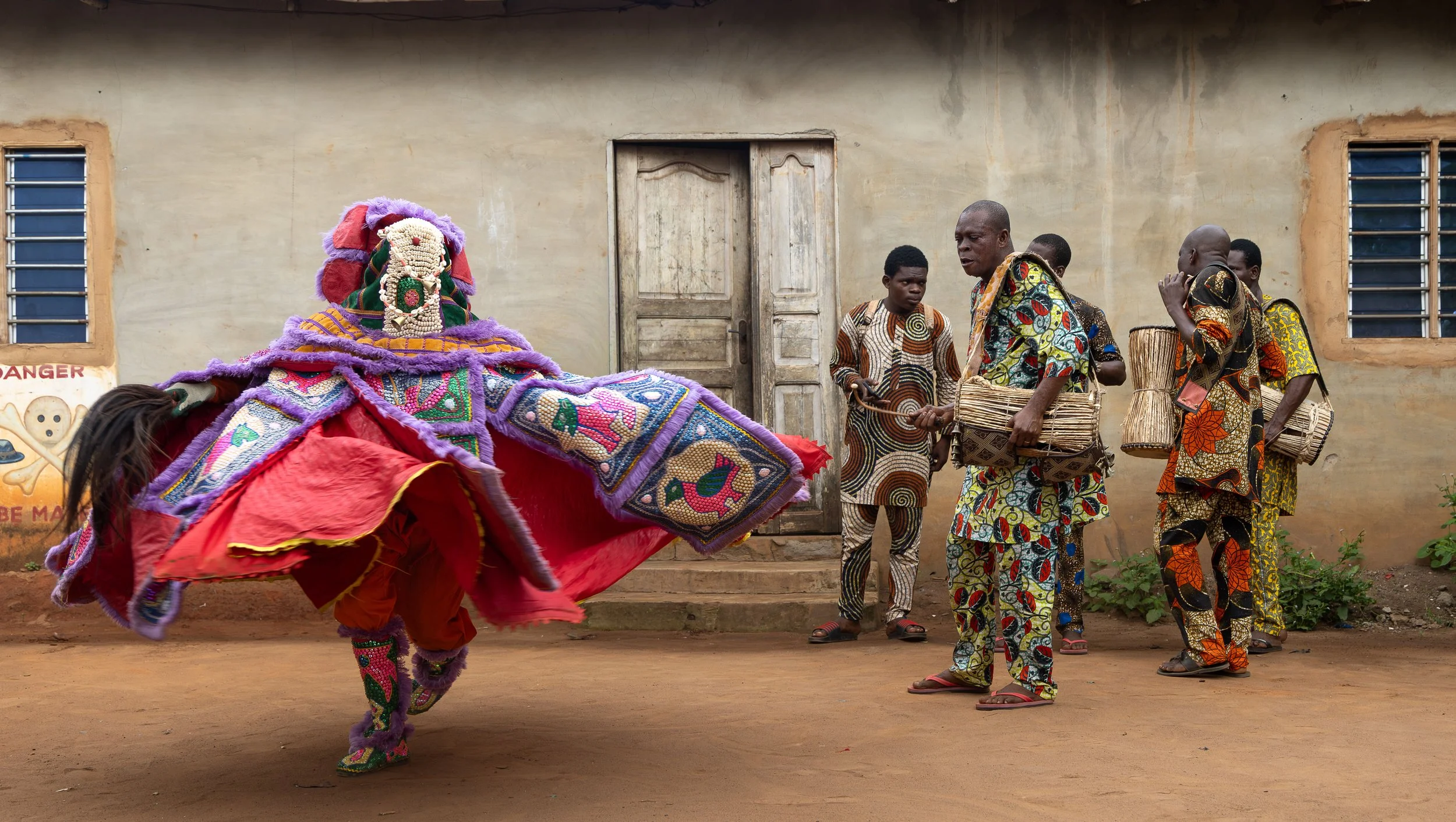
The Band and the Mask
The masked dancer turns before the band, the cape opening like wings as the drums beat the pace. Music and movement work together: the musicians lead the figure forward, then follow its turns, each step pulling sound back into the body.
-
![]()
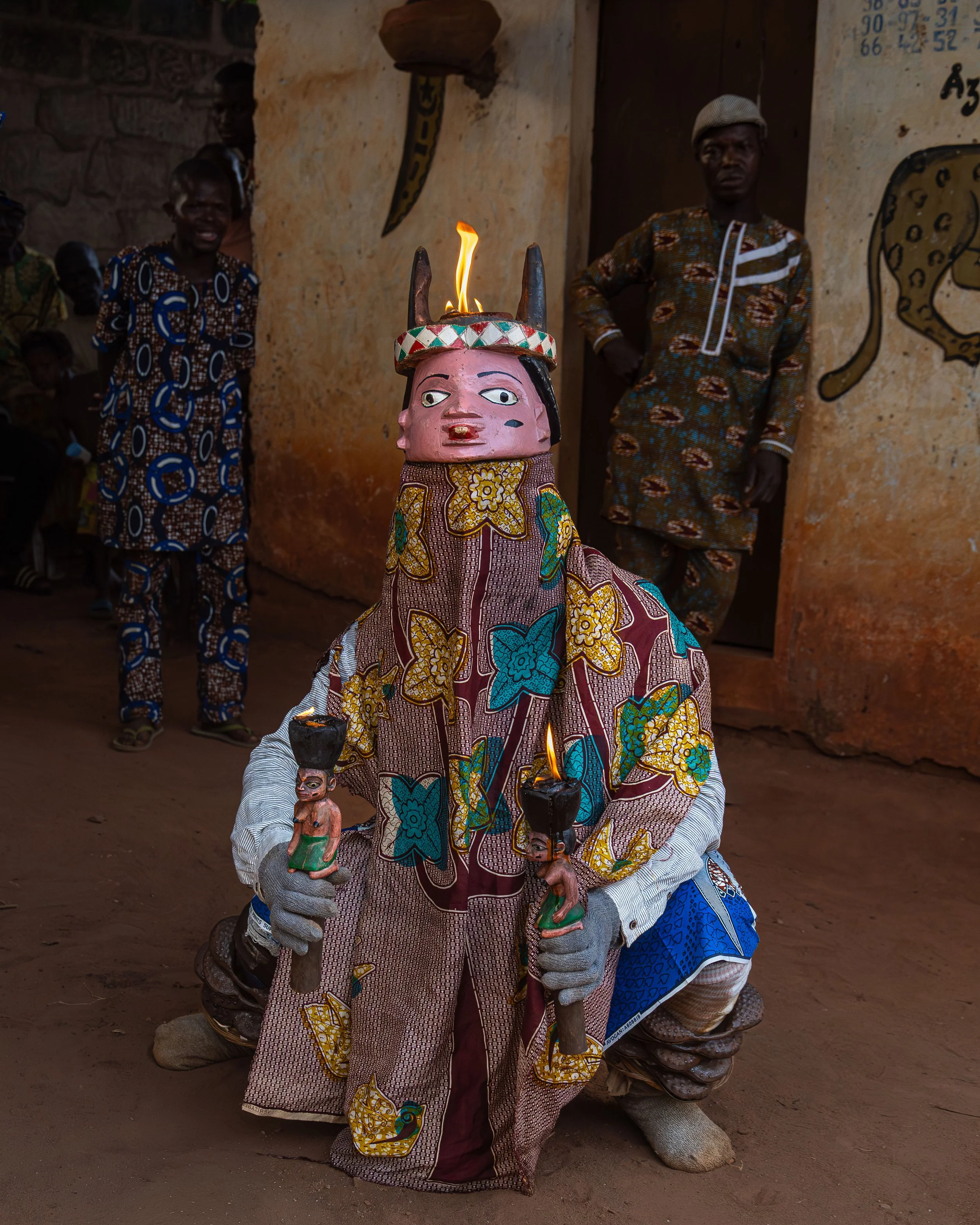
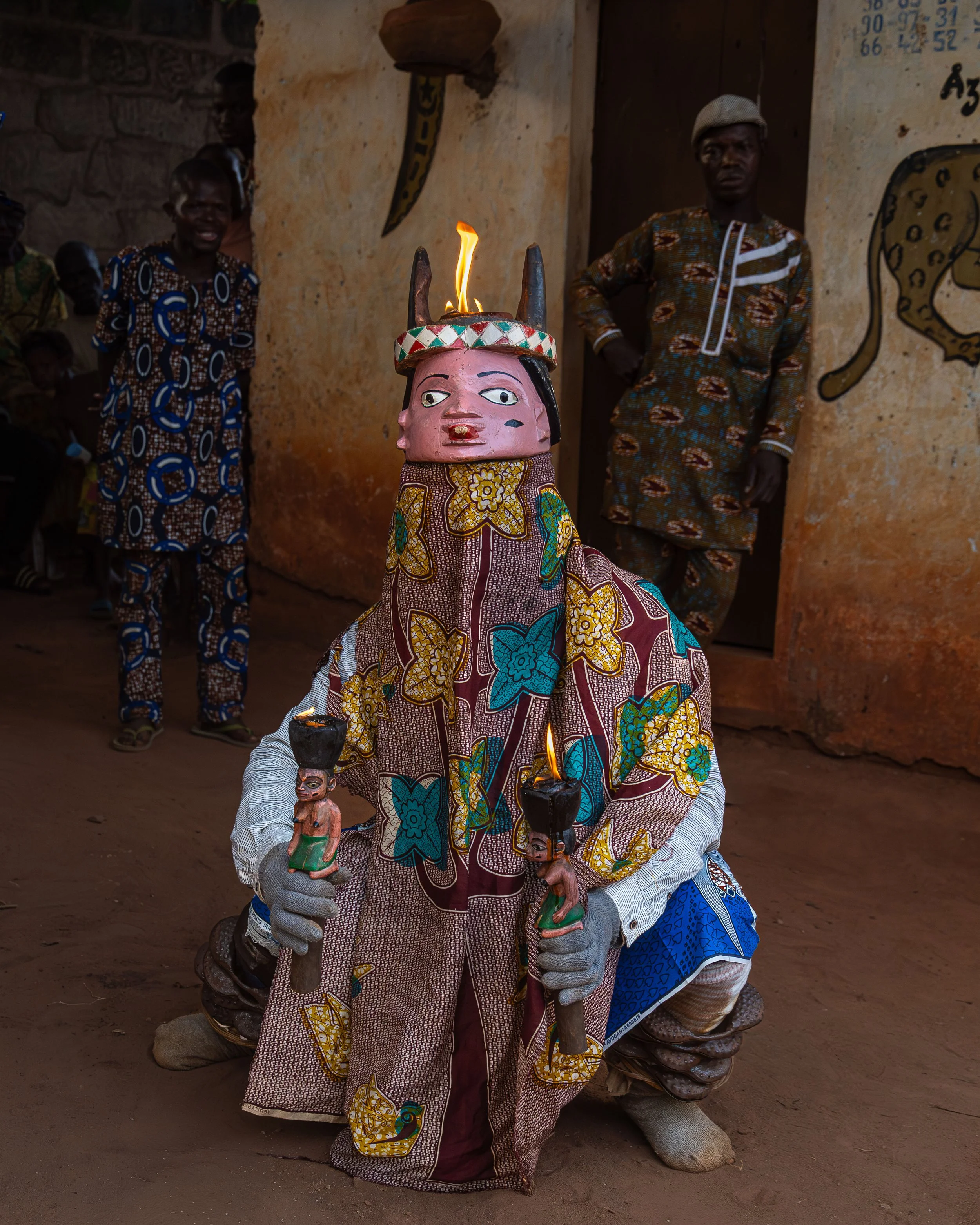
The Fire Spiller
In Yoruba-Nago masquerade traditions in Benin, masked dance can honour the primordial mother and the role of women. This masked figure is crouched beneath a small flame that symbolises the maternal force and has rattling anklets that beat a rhythm to the dance.
-
![]()
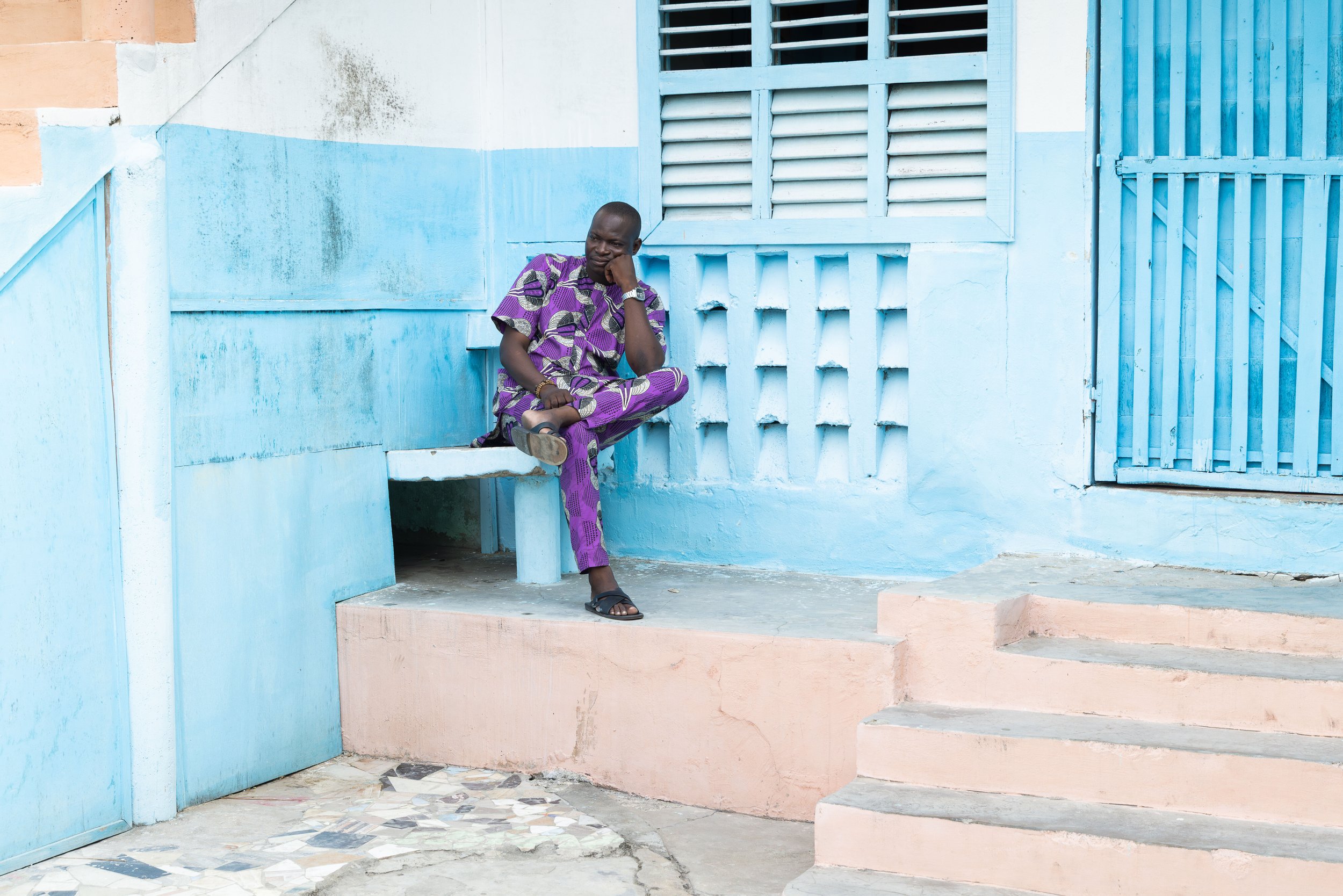
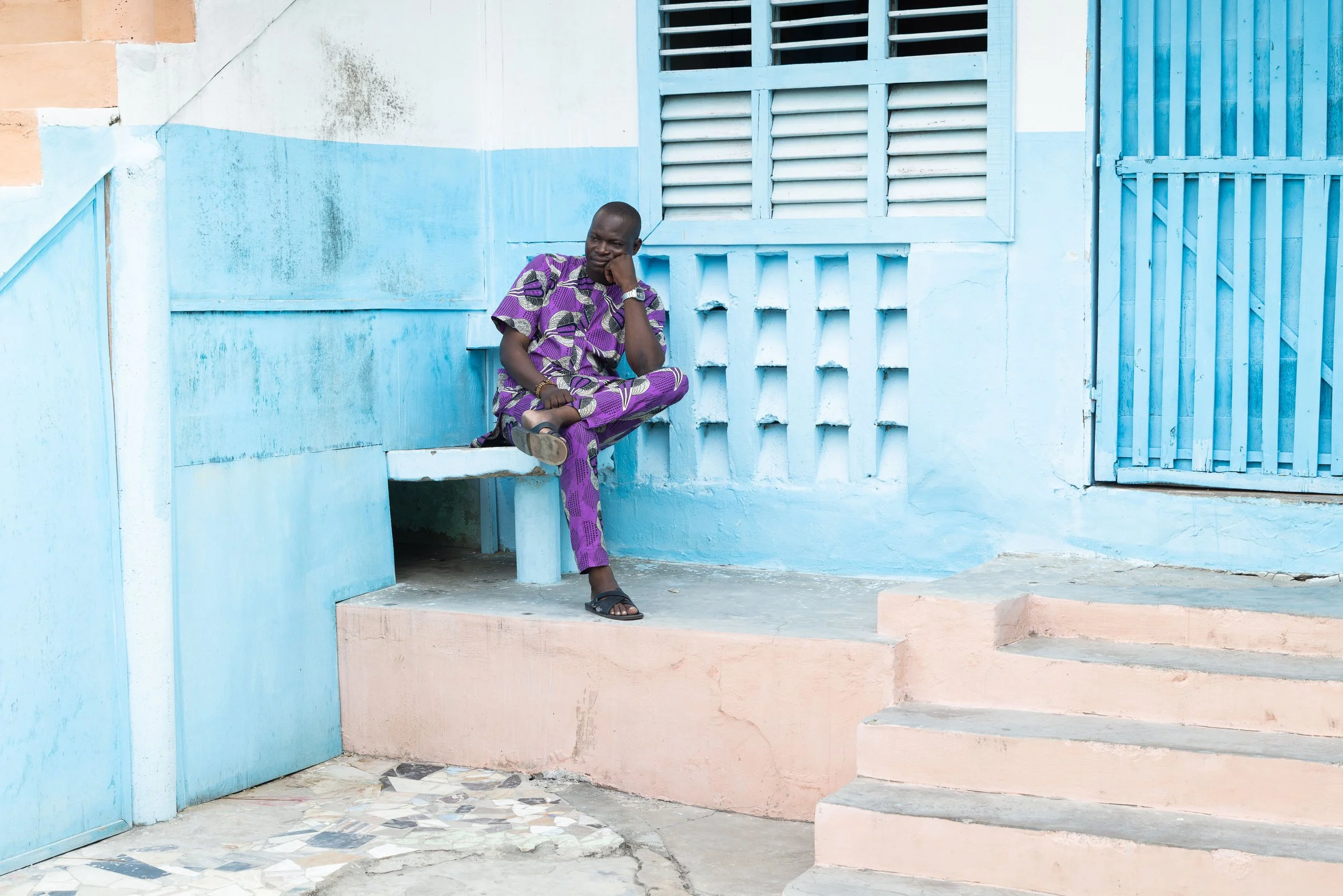
Angles
Framed by steps, window bars, ledges and shadow, this image is almost architectural: blue against blue, angle against angle with the man anchoring the composition. It is taken in Ganvié, the lake village built as a place of refuge from slave raids on Lake Nokoué, near Cotonou, Benin.
-
![]()
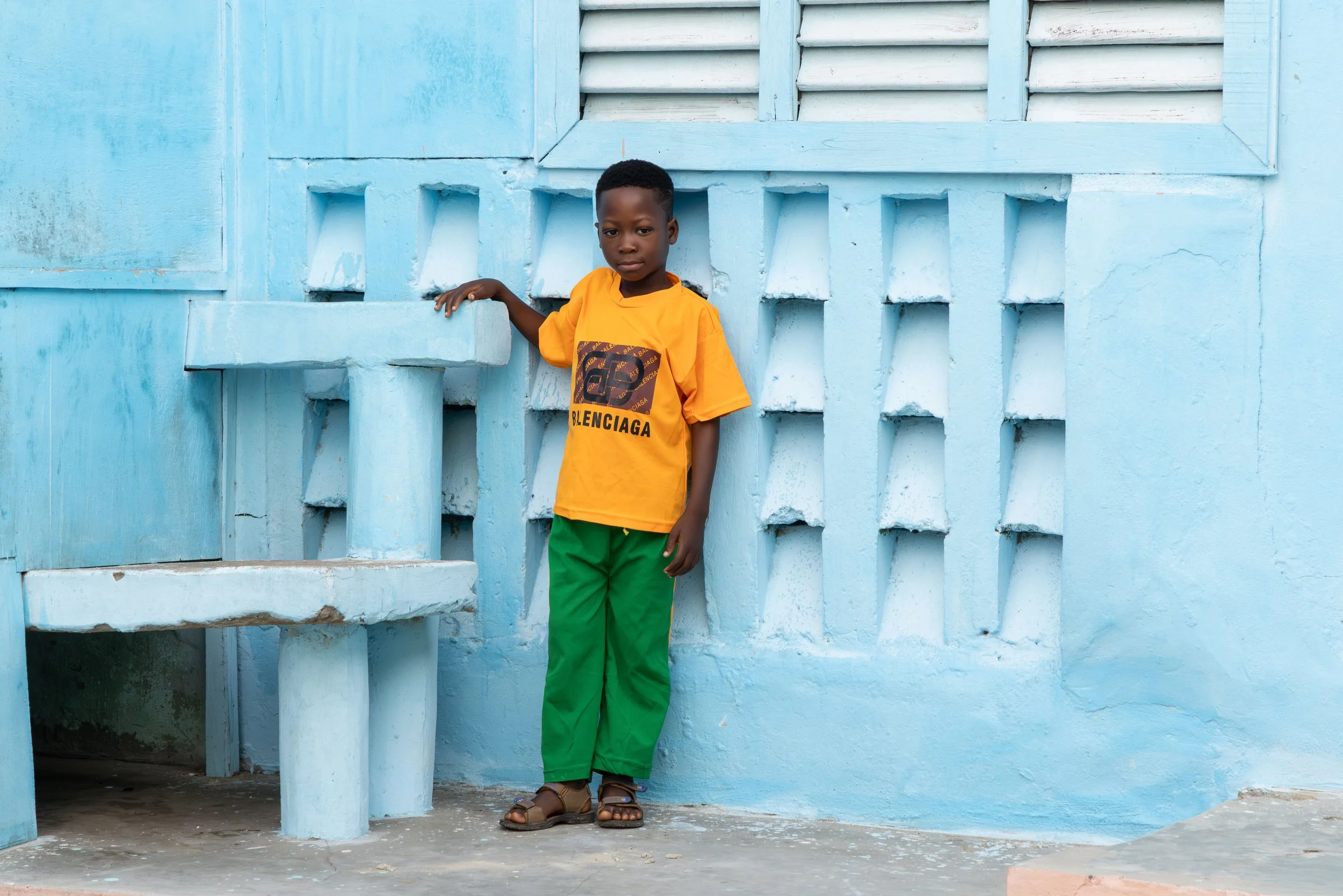
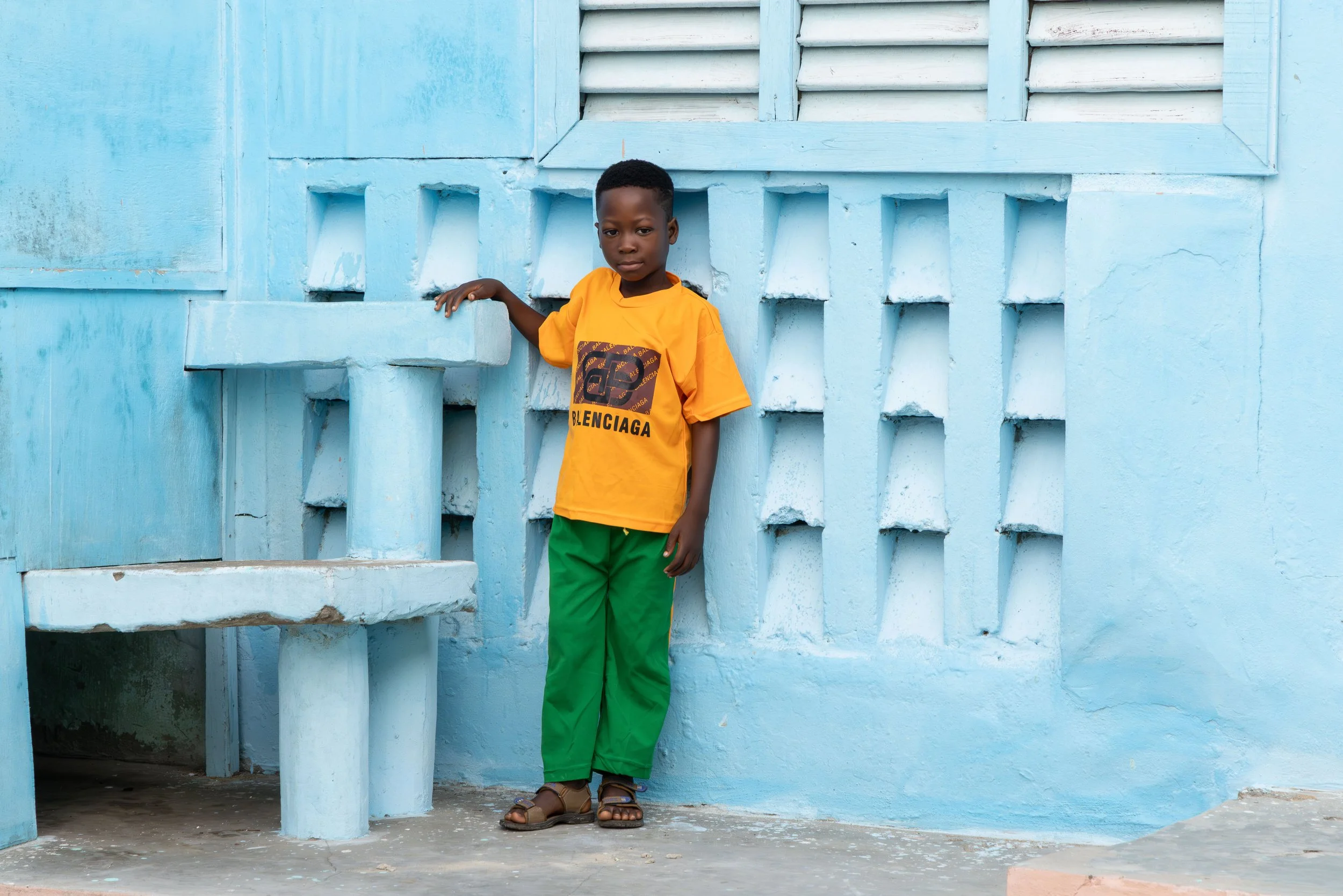
Boy at the Blue Wall
Against the soft blue architecture of Ganvié, a boy in yellow and green becomes the centre of the composition. Colour and lines create a balance, while the lake village’s history as a place of refuge from slave raids remains just beneath the surface.
-
![]()
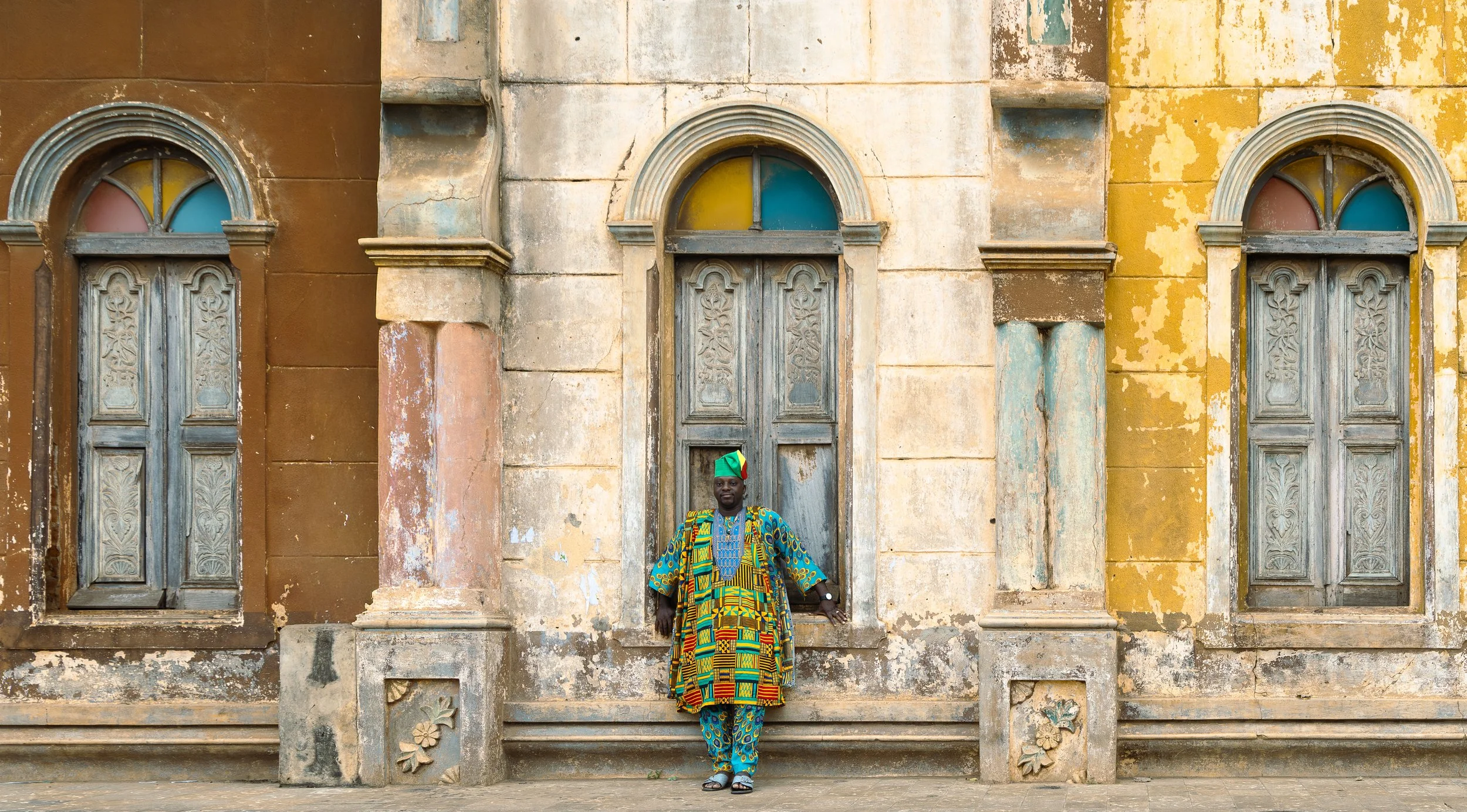
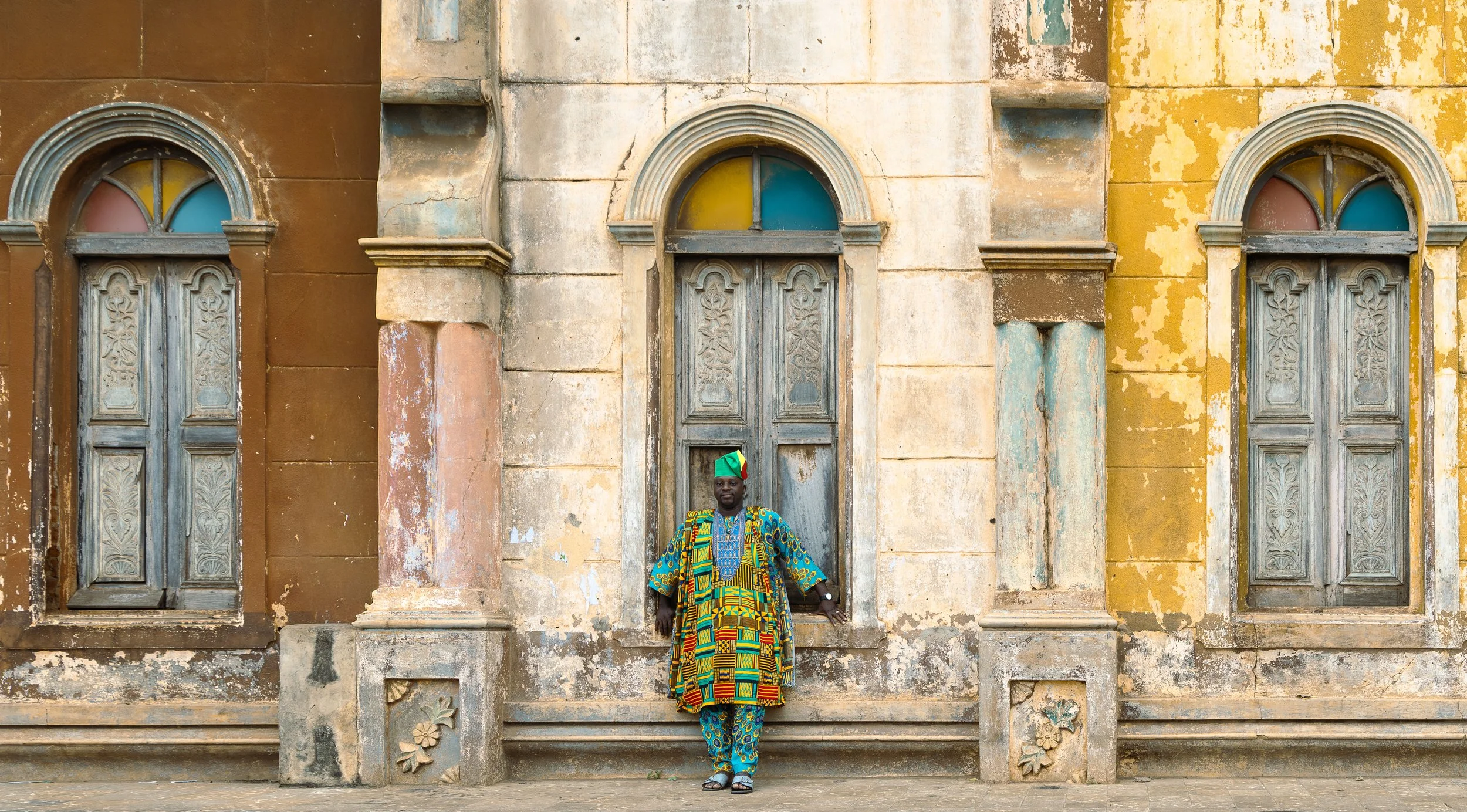
Great Mosque of Porto-Novo
A man stands within the ochre, yellow, blue and green geometry of the Great Mosque of Porto-Novo. This impressive façade is inspired by architectural knowledge that was carried back across the Atlantic by formerly enslaved Africans and their descendants who returned from Brazil and are often referred to as Afro-Brazilian or Aguda communities.
-
![]()
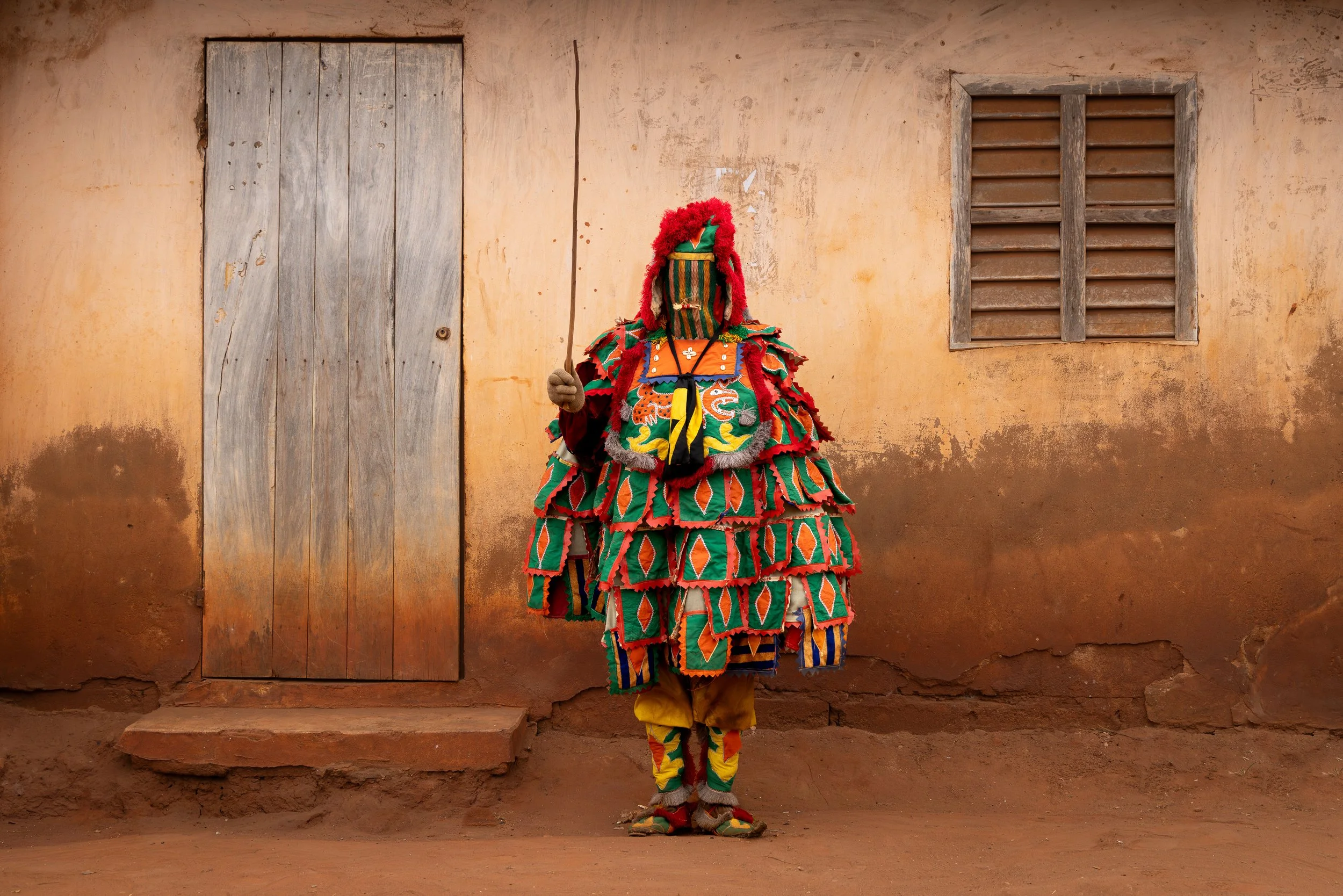
A Bridge
Standing against weathered walls and upon dusty red-tinged ground, this masquerade figure appears as a bridge between the living and the dead. Fully concealed by cloth, colour and mask, he becomes an ancestral presence as he stands tall and proud.
-
![]()
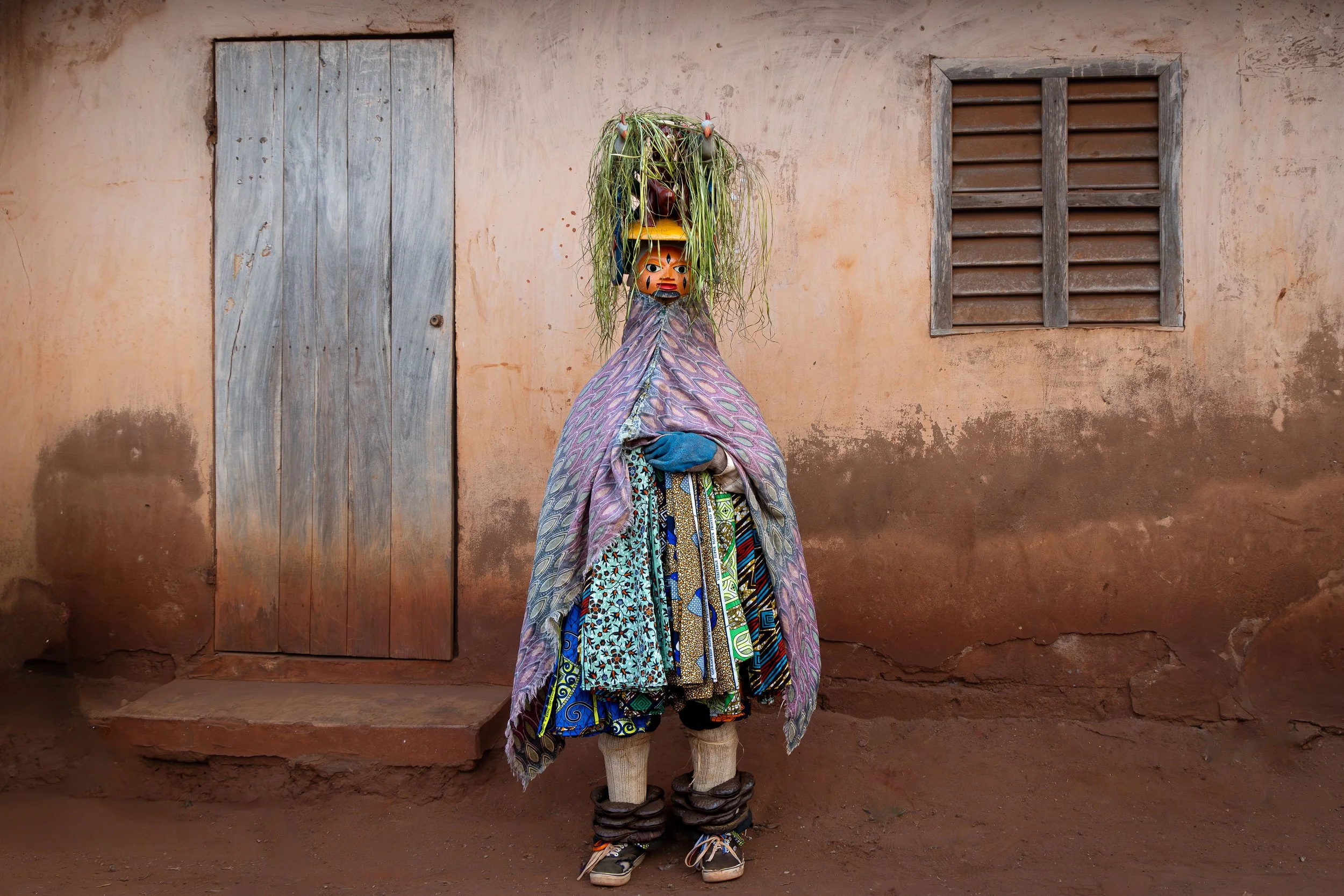
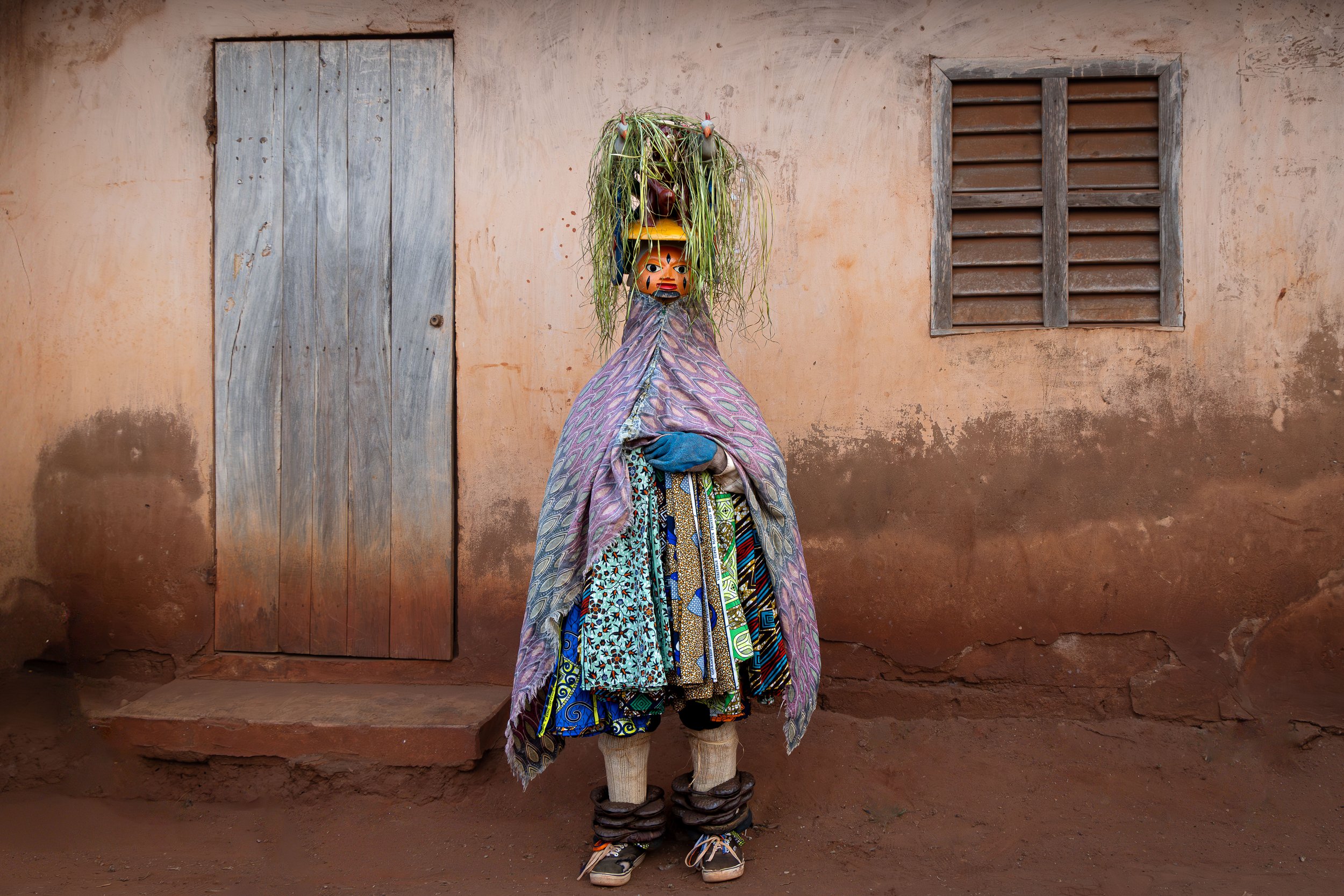
Figure of Mothers
Standing before a weathered wall, this masquerade figure is swathed in layers of bright cloth, with green fronds rising from the head. It speaks to the Guelede tradition’s honouring of mothers, female force and social life.
-
![]()
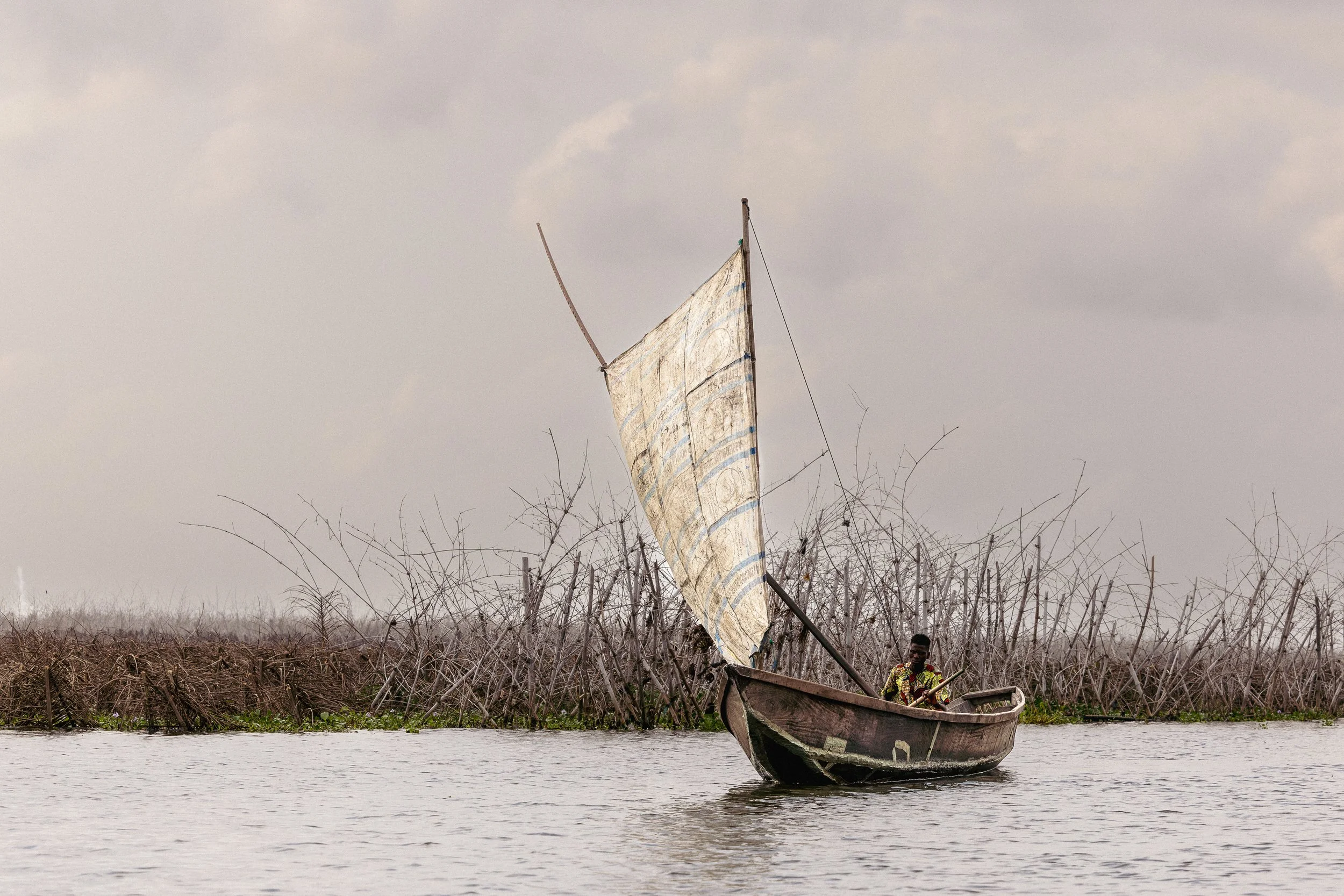
Pirogue on Lake Nokoue
A sail catches the light on Lake Nokoué, carrying a pirogue through the waters of Ganvié. Around it, fishing stakes mark the lake’s daily rhythms. Founded by the Tofinu people as a refuge from slave raids in the 17th century, Ganvié’s name is often translated as “we survived.”
Portraits
Marked
An elder woman bears the facial scarification marks of her rural tribe. Cut or burned into the skin, these patterns are worn with pride and are historically used to identify those taken into slavery and ensure their return home.
At the Edge of Speech
Beads, sweat, fabric and gaze come together as forms of presence, turning this portrait, photographed during Gambada at the Ouidah festival in Benin, into an intense encounter between viewer and subject
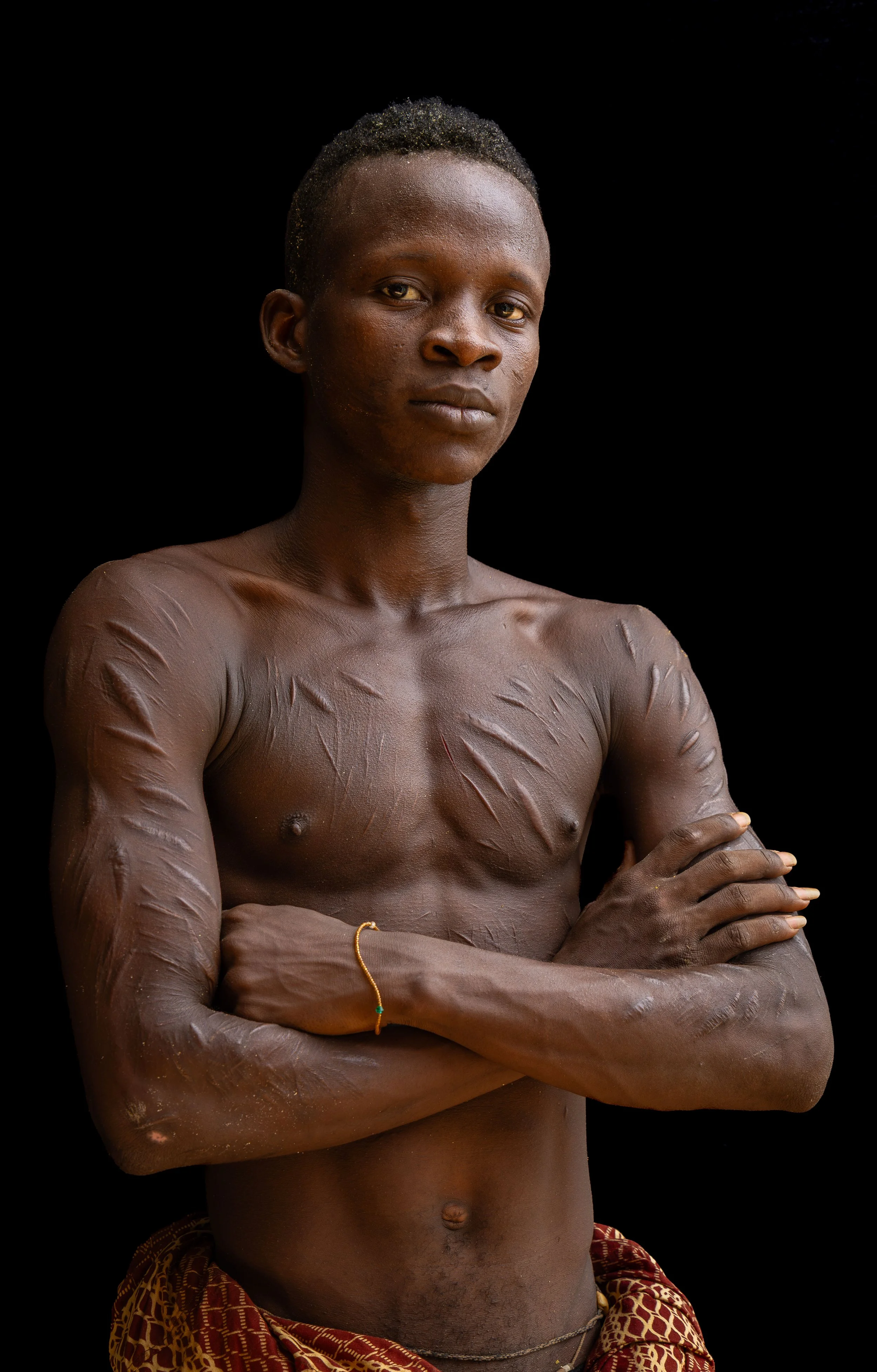
Pride
A young Kokou dancer stands with quiet pride, his arms and chest marked by ritual scars cut by scythe. The cuts are believed to invoke the protective power of the warrior spirit, and the marks are worn with pride, symbolising strength and fearlessness.
Voodoo Trance
Deep in Kokou trance, a performer endures feats of physical endurance that defy ordinary limits. The voodoo ceremony is intense and consuming and the body becomes vessel for something beyond it.
Yellow Invocation
During a Kokou ceremony in Ouidah, Benin, the figure has doused himself in palm oil and yellow paste; both this colour and substance are believed to open a channel to the spirits. Here the ritual force settles briefly into the stillness of the photographic frame.
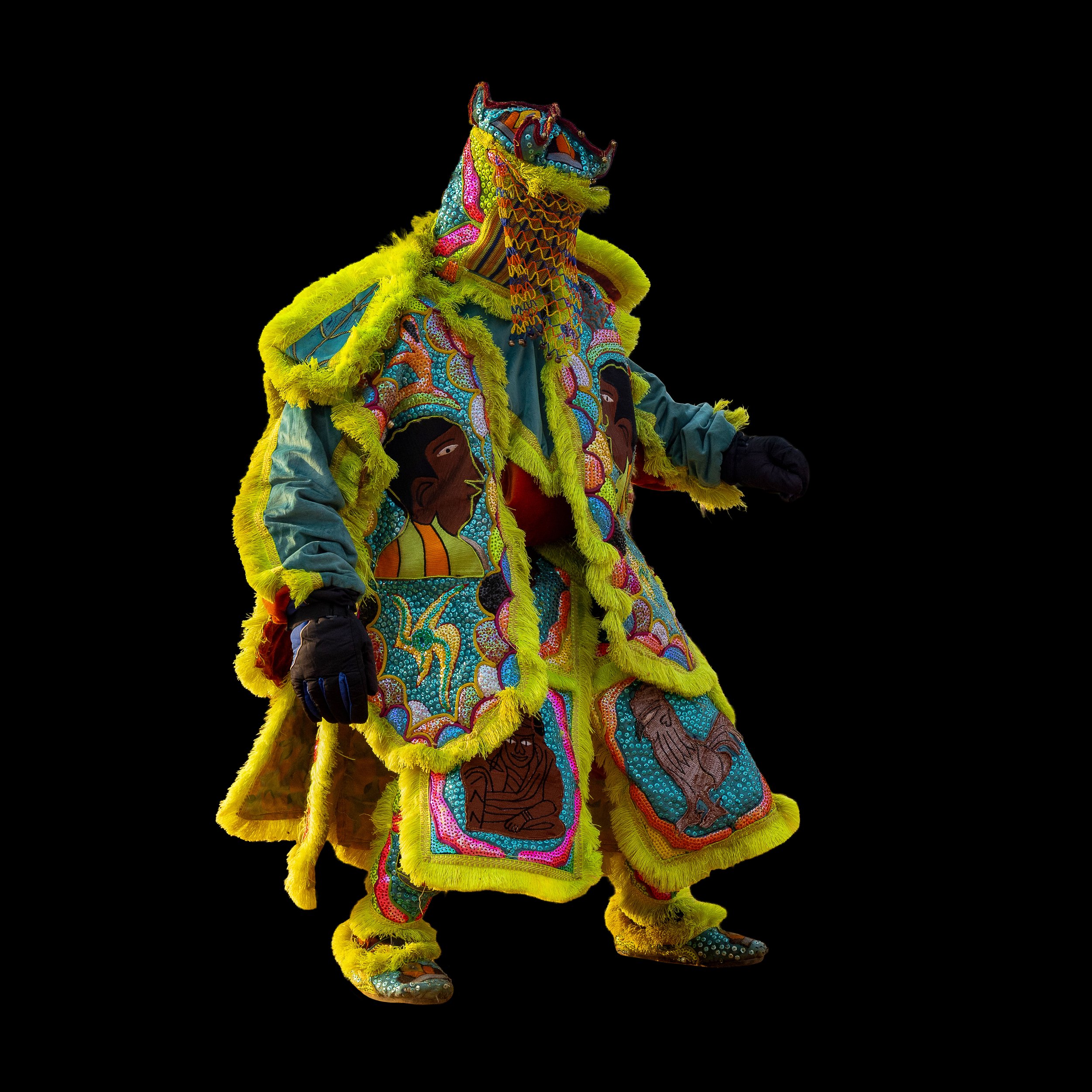
Ancestrors
This figure is a visual force in this ritual ceremony. Layered, beaded and blazing with colour, the body is concealed and transformed, allowing the wearer to appear as a returned ancestral force.
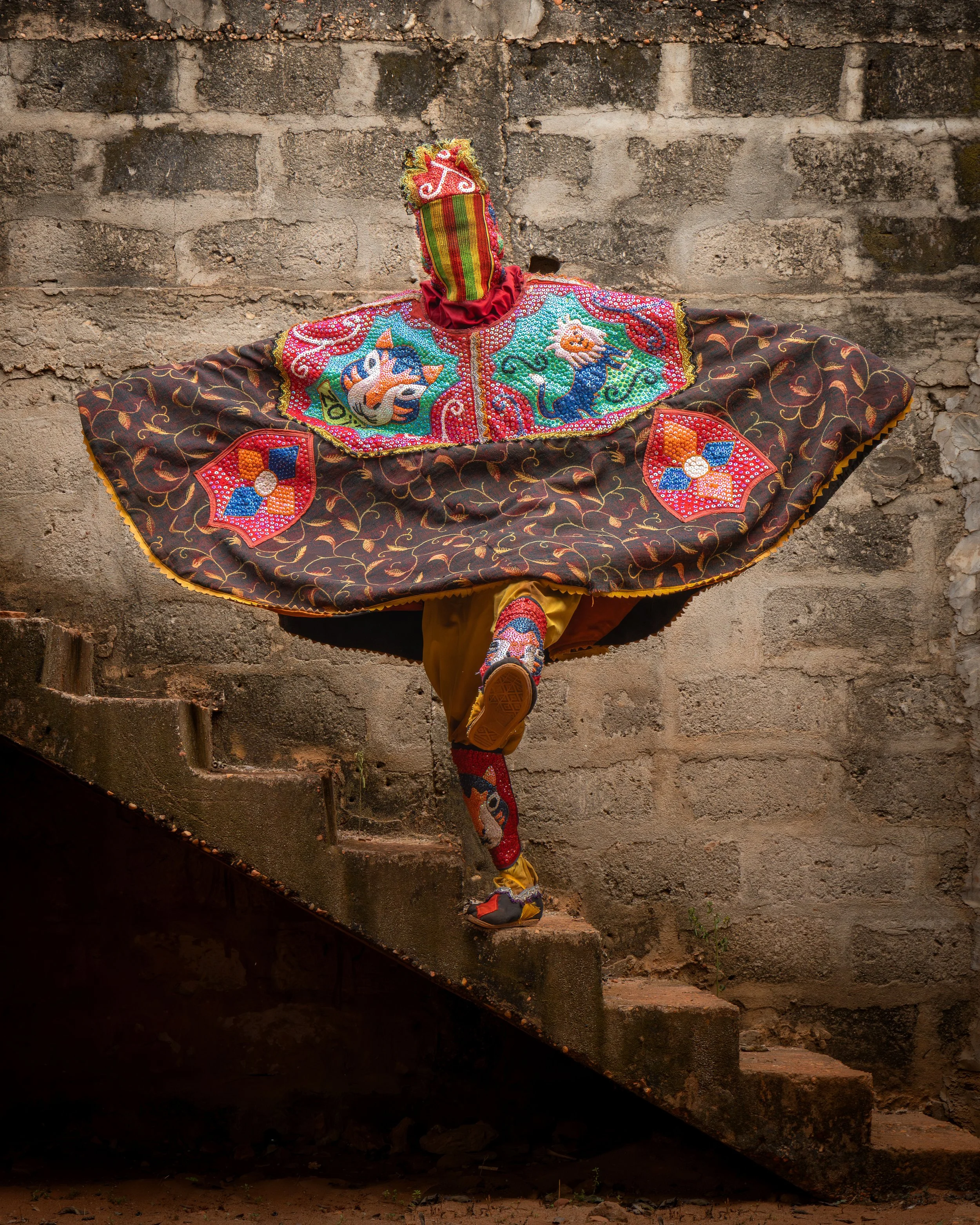
Ghost Dance
Caught mid-turn, this figure holds the cape open as if the cloth itself has become a body. In the ancestral masquerade tradition, concealment, colour and movement allow the figure to appear as a returned ancestral presence.
Dark Mask
The carved face, cloth veil and sculptural crest of this masquerade figure is led by drums and movement to bring the spiritual forces into public view for protection and blessing.
Horses
What the Skin Carries
A tribal elder, her scarification extending across her chest and shoulders. The markings carry layers of meaning: identity, lineage, and a defiant spirit that has endured across generations.
Yellow Mask
The yellow masquerade figure carries a calm, watchful presence. Through mask, costume, rhythm and gesture, the performer is concealed so that a spirit presence can enter public view, moving through the crowd as both ceremony and encounter.
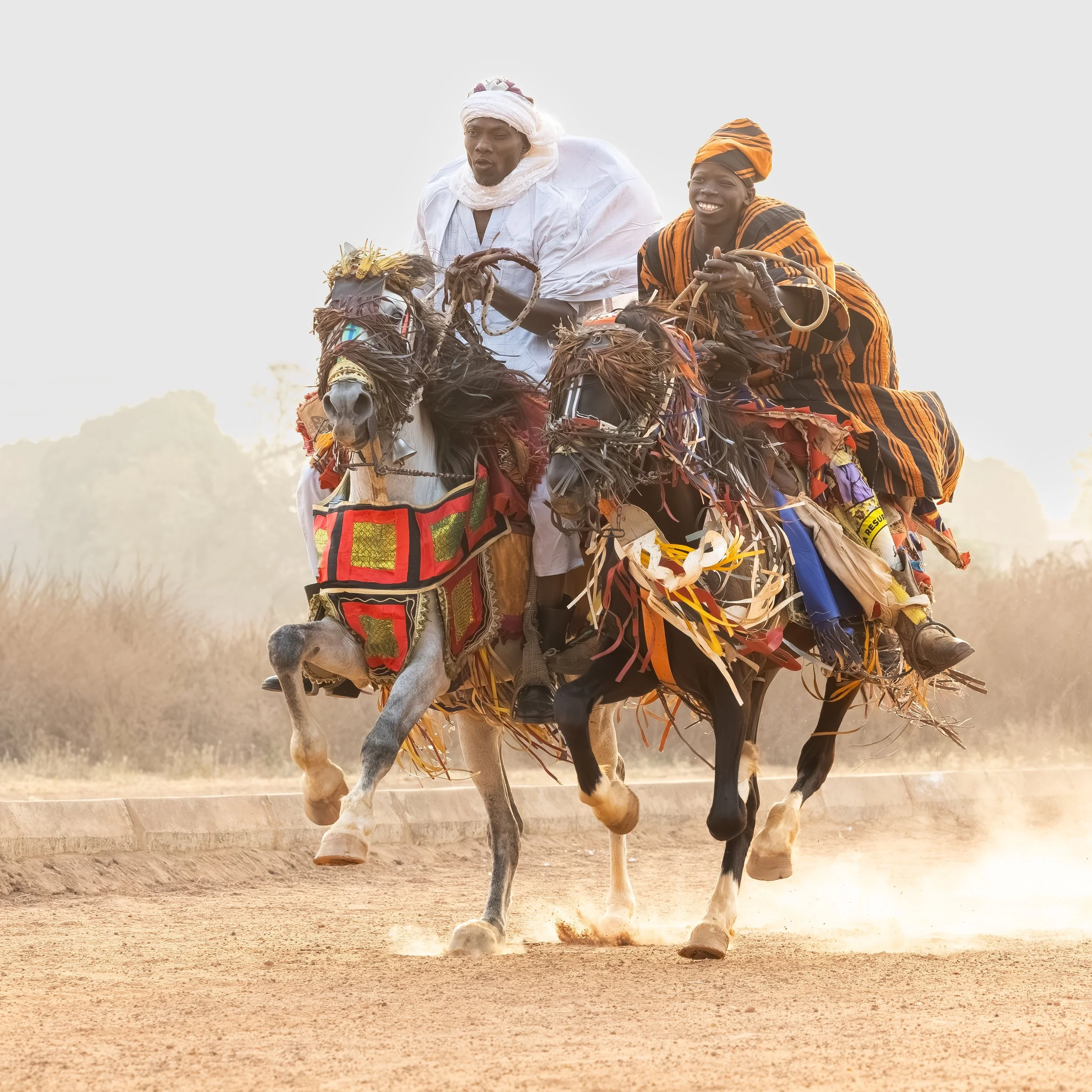
Side by Side
Two riders pass through dust and light with their horses dressed in colour and movement. Among the Bariba, horsemanship is both display and discipline, bringing together race, pageantry, skill and the public performance of rank.
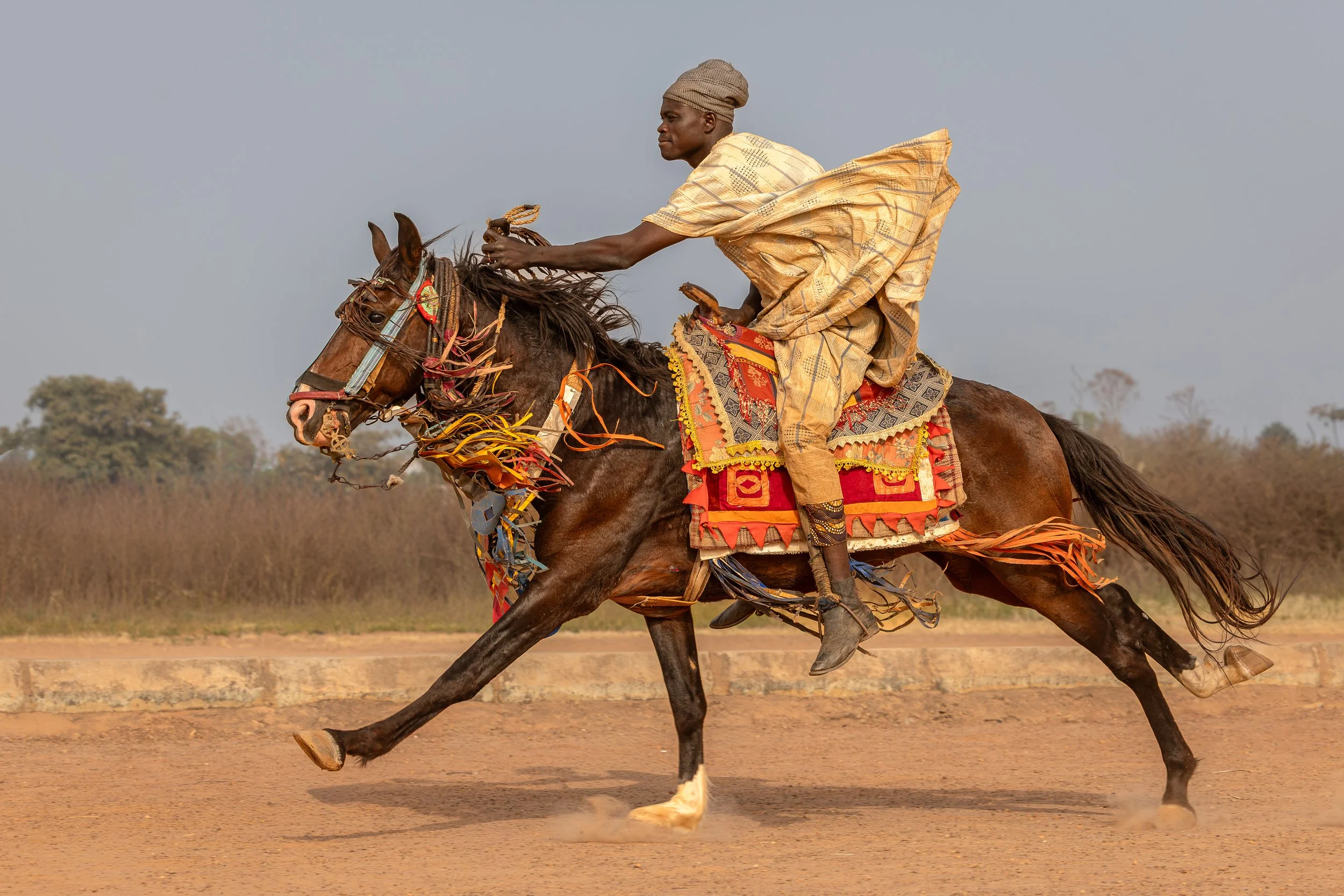
Full Gallop
A Bariba rider leans into speed, his cloth lifting behind him as horse and body move as one. The adorned horse carries the pride, status and inherited discipline of Benin’s equestrian traditions.
Colour in Motion
On a richly adorned horse, the rider holds the reins with ease, his patterned cloth echoing the colour of the saddle and harness. The image catches a moment of control within motion, where dress, horse and rider become one moving form.
At A Distance
Driven by a handler's stick, the masked figure moves through the village like a force of nature and the crowd gives way. Here presence and power are indistinguishable.
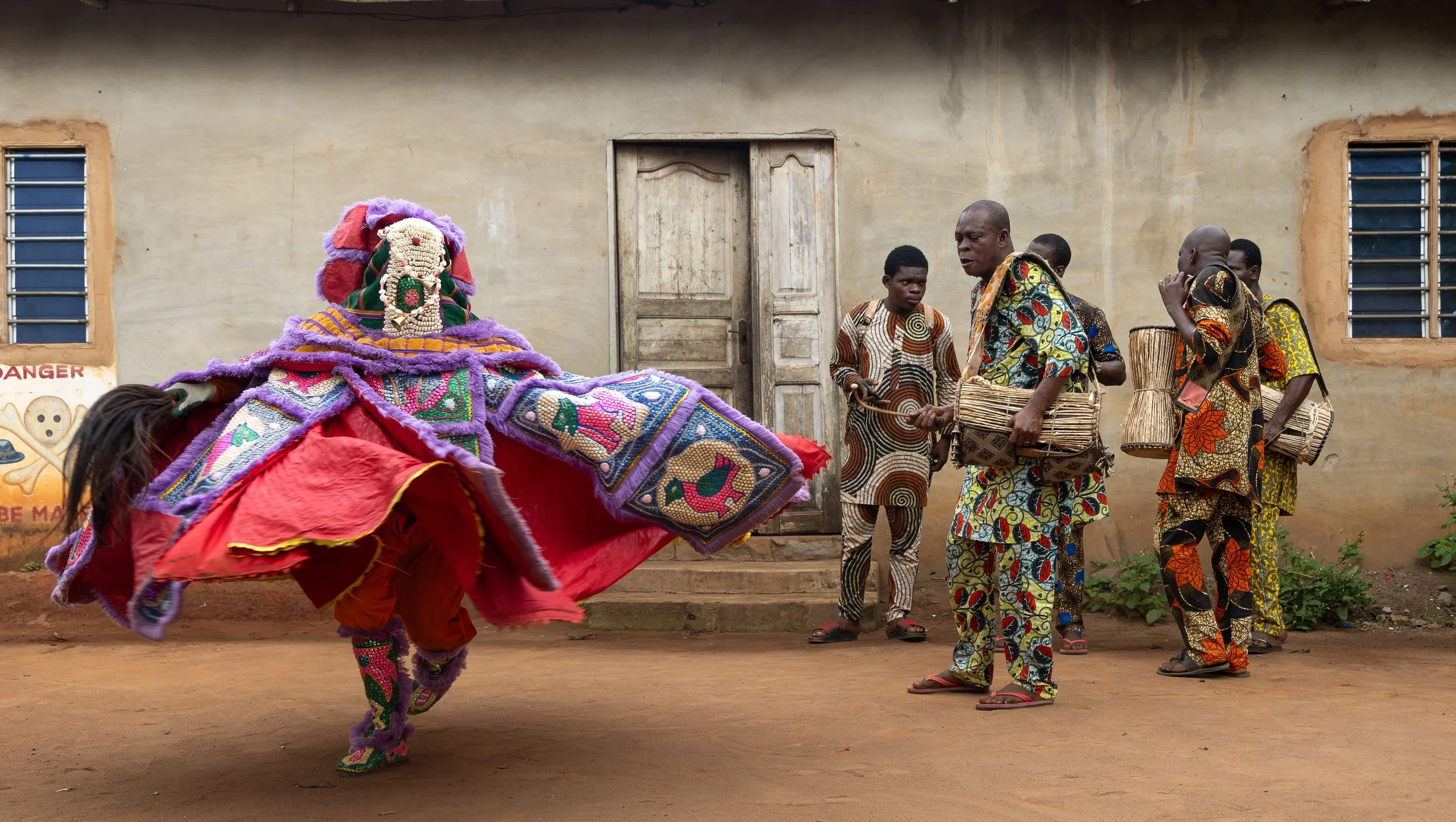
The Band and the Mask
The masked dancer turns before the band, the cape opening like wings as the drums beat the pace. Music and movement work together: the musicians lead the figure forward, then follow its turns, each step pulling sound back into the body.
Angles
Framed by steps, window bars, ledges and shadow, this image is almost architectural: blue against blue, angle against angle with the man anchoring the composition. It is taken in Ganvié, the lake village built as a place of refuge from slave raids on Lake Nokoué, near Cotonou, Benin.
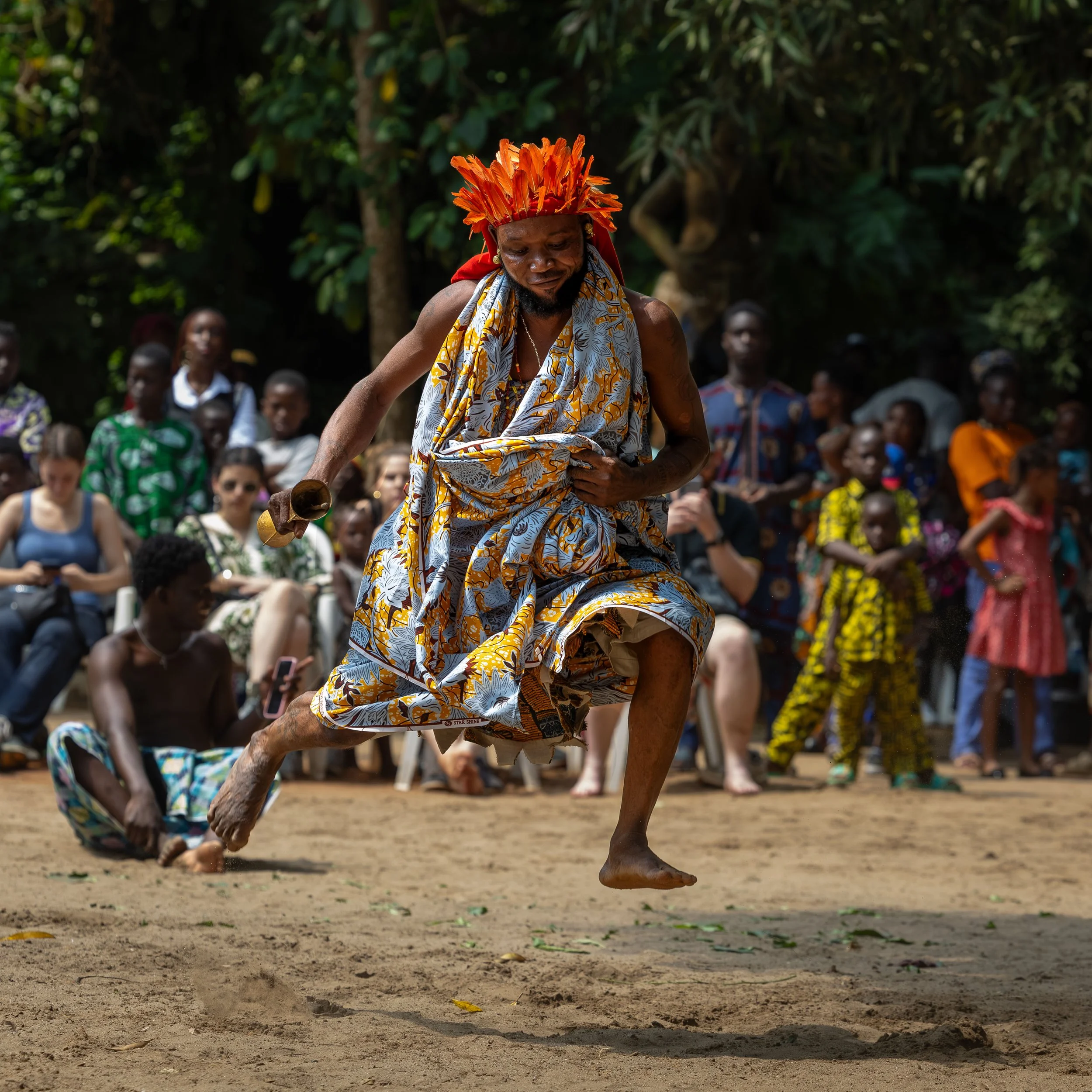
Stories in the Air
With an orange headdress and cloth caught mid-flight, the dancer lifts inherited stories into motion. Performed before gathered spectators and dignitaries, the dance carries rhythm, memory and play through the body.
Boy at the Blue Wall
Against the soft blue architecture of Ganvié, a boy in yellow and green becomes the centre of the composition. Colour and lines create a balance, while the lake village’s history as a place of refuge from slave raids remains just beneath the surface.
Figure of Mothers
Standing before a weathered wall, this masquerade figure is swathed in layers of bright cloth, with green fronds rising from the head. It speaks to the Guelede tradition’s honouring of mothers, female force and social life.
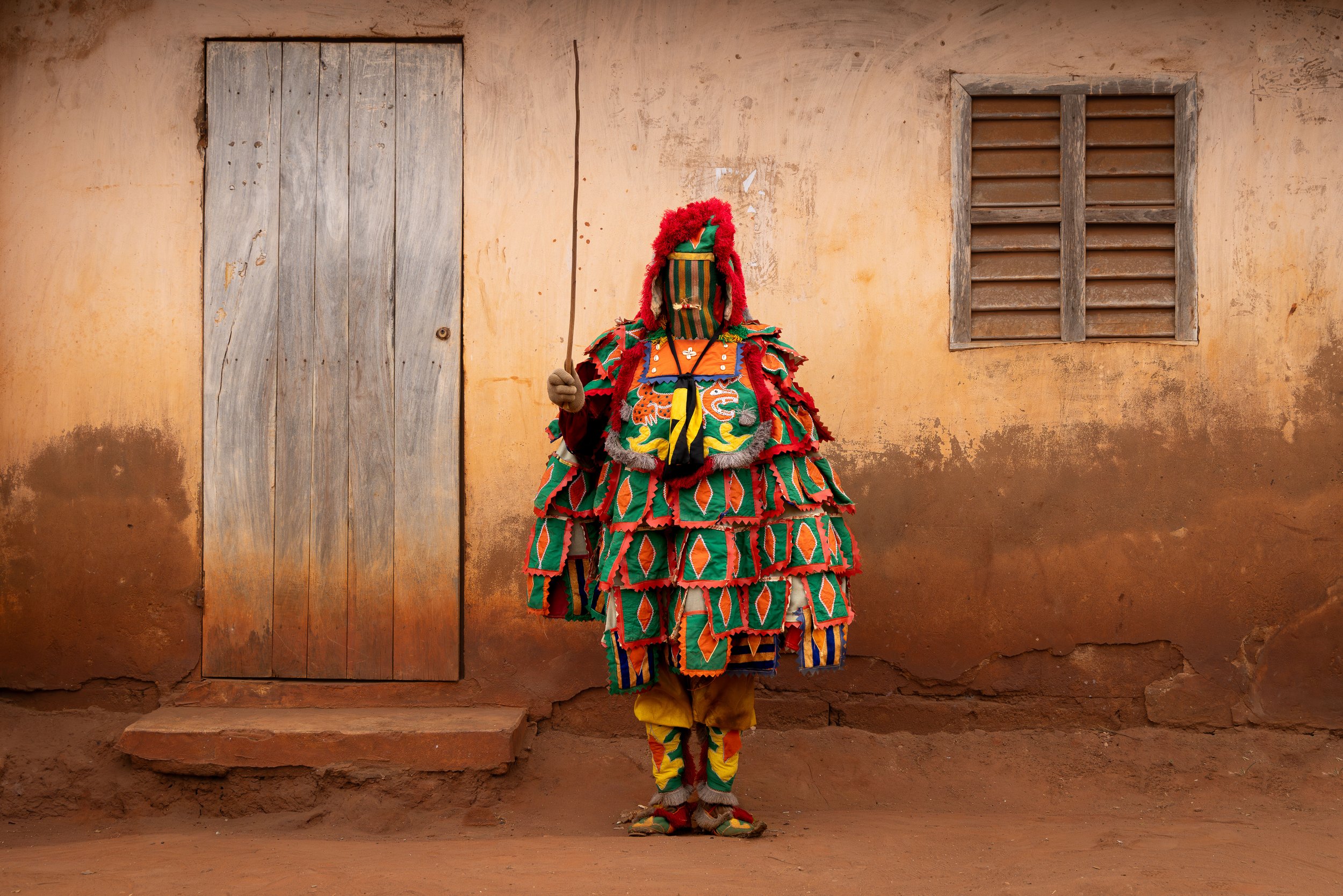
A Bridge
Standing against weathered walls and upon dusty red-tinged ground, this masquerade figure appears as a bridge between the living and the dead. Fully concealed by cloth, colour and mask, he becomes an ancestral presence as he stands tall and proud.
Motion
Three for Three
Three riders surge forward in formation, their robes, turbans and decorated horses cutting through the dust. The scene carries the energy of a race, but also the older language of ceremony, honour and mastery held within Bariba horse culture.
Porto Novo
In this Porto-Novo masquerade, the body turns itself into a trick of vision. When the performer bends, the head carried on the back becomes the face of the figure, shifting the costume between human form, animal force and phallic sign.
The Fire Spiller
In Yoruba-Nago masquerade traditions in Benin, masked dance can honour the primordial mother and the role of women. This masked figure is crouched beneath a small flame that symbolises the maternal force and has rattling anklets that beat a rhythm to the dance.
Composition
Great Mosque of Porto-Novo
A man stands within the ochre, yellow, blue and green geometry of the Great Mosque of Porto-Novo. This impressive façade is inspired by architectural knowledge that was carried back across the Atlantic by formerly enslaved Africans and their descendants who returned from Brazil and are often referred to as Afro-Brazilian or Aguda communities.
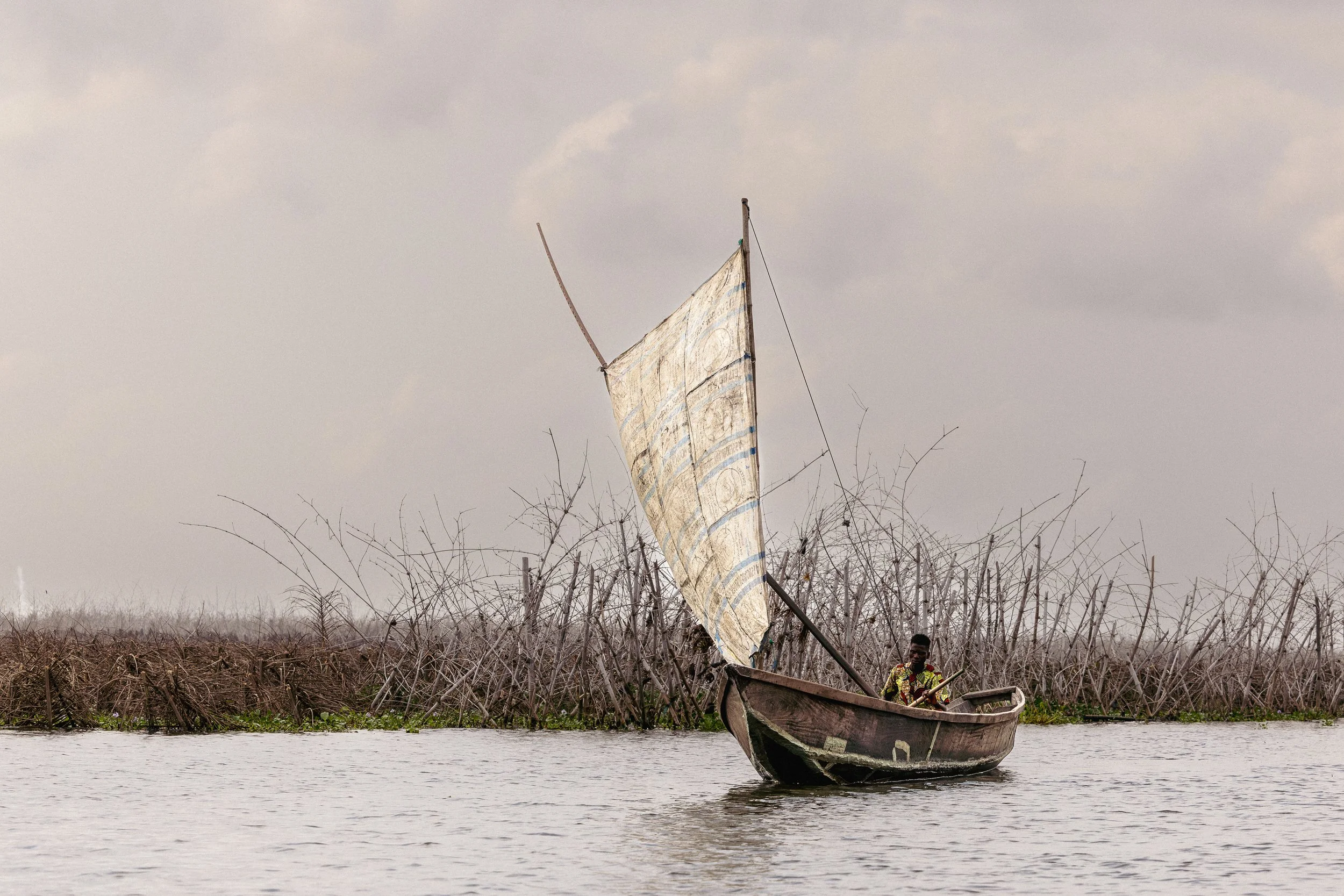
Pirogue on Lake Nokoue
A sail catches the light on Lake Nokoué, carrying a pirogue through the waters of Ganvié. Around it, fishing stakes mark the lake’s daily rhythms. Founded by the Tofinu people as a refuge from slave raids in the 17th century, Ganvié’s name is often translated as “we survived.”